The Warrior Archetype in Game Design: From Myth to Playable Class
Published: 8/27/2026
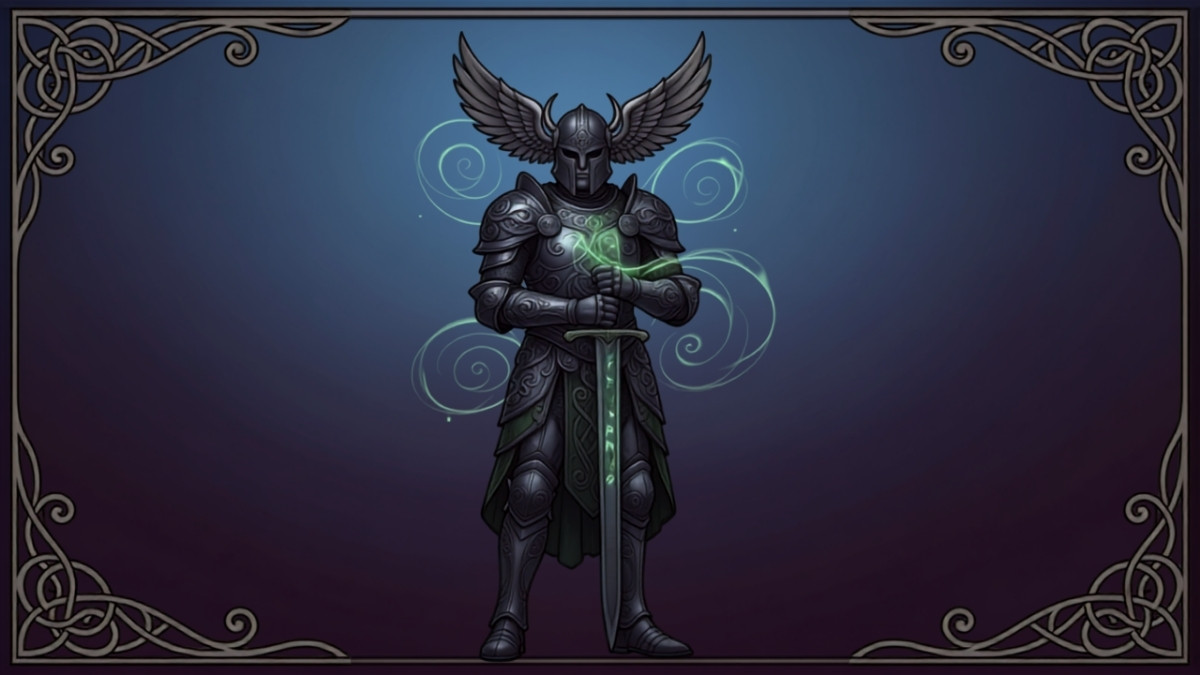
Quick answer: The Warrior class is one of the oldest and most durable game archetypes, inherited directly from mythological strongman-heroes like Heracles or Achilles. Unlike the Mage or the Rogue, the Warrior is built around a simple, legible fantasy: direct confrontation, physical might, and minimal mediation between player intent and on-screen result.
The Mythological Prototype: Strength Without Cunning
In myth, the warrior archetype (Heracles, Achilles, Beowulf) rarely wins through intellect—his tool is raw strength, endurance, and willingness to meet danger head-on. This directness became the basis of the class's design appeal: the Warrior doesn't require players to memorize complex spell combinations or stealth tactics, lowering the barrier to entry while preserving a sense of power.
Mechanical Simplicity as a Feature, Not a Flaw
Experienced designers deliberately preserve the Warrior's mechanical simplicity, compensating with depth in gear choices, positioning, and attack timing rather than ability count. This approach reproduces mythological logic: a hero's power lies not in a variety of tricks but in mastery of a limited, fundamental toolkit—sword, shield, one's own body.
Vulnerability as a Balancing Mechanism
Mythological warriors almost always carry a known weakness (Achilles' heel, mistletoe for Baldur)—a pattern designers reproduce through armor mechanics, limited mobility, or vulnerability to specific damage types. This isn't merely a balancing trick but a direct echo of the mythological principle that absolute strength must have a cost, or the narrative (and gameplay) loses its tension.
Rage and Berserker Mechanics
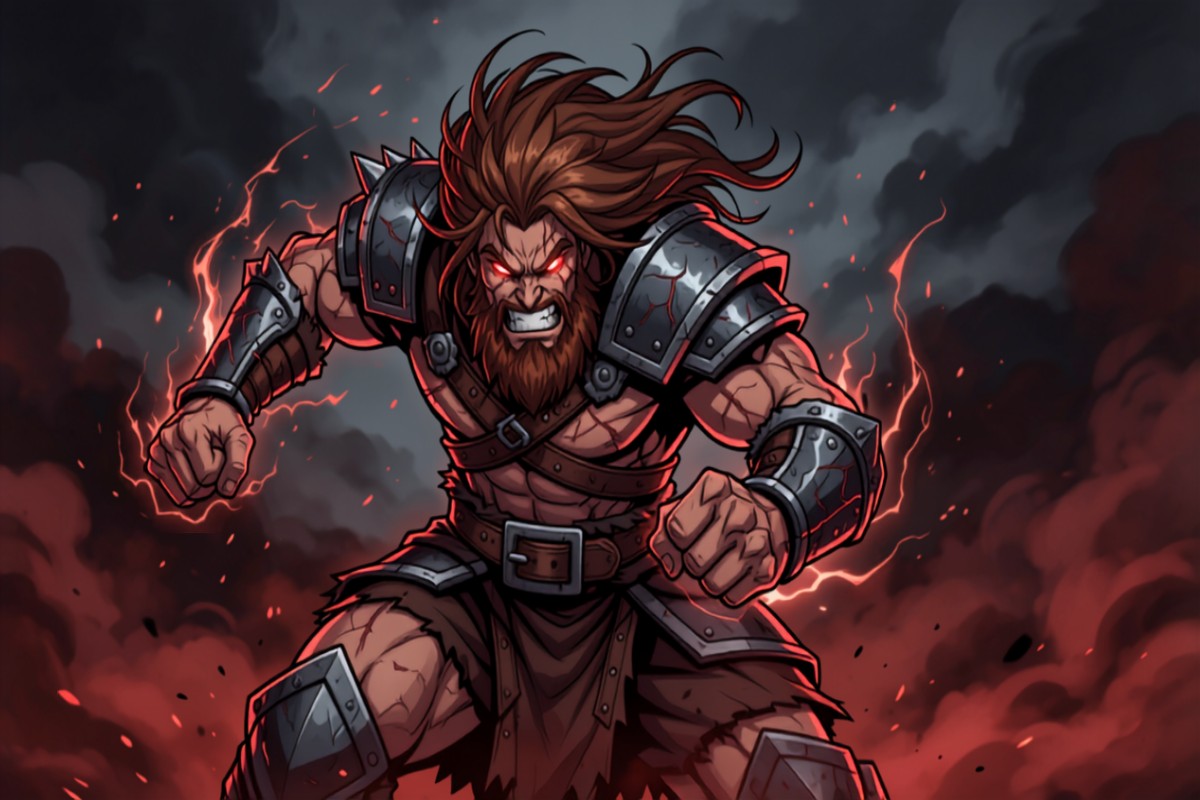
The Norse image of the berserker—a warrior entering a battle trance—became the source of an entire class of game mechanics: increasing damage output at the cost of increased damage taken, building a rage resource through dealing or receiving hits, temporary crowd-control immunity at the cost of losing control over one's own actions. These mechanics literalize the mythological idea that superhuman strength demands a loss of rationality.
The Warrior as an Entry Point for New Players
The practical design conclusion drawn from the archetype's mythological simplicity: the Warrior traditionally serves as the recommended starter class in role-playing games, since its legibility (press button, deal hit) reduces cognitive load for newcomers, letting them focus on learning other game systems (inventory, map, dialogue) before moving to more complex classes.
The Warrior's Progression: From Novice to Legend
The Warrior class's progression system in most RPGs also rests on mythological logic of accumulating glory through trials rather than secret knowledge. While magical classes usually grow by unlocking new spells (expanding a repertoire), the Warrior more often grows quantitatively—more damage, more health, better gear—reflecting an archaic understanding of heroism as an accumulation of feats rather than acquisition of secret mastery.
Legendary gear for the Warrior class in games also frequently cites mythological artifacts directly—enchanted named swords, armor forged by gods or legendary smiths, shields bearing protective enchantments. This tradition traces directly to weapons like Excalibur or the shield of Achilles forged by Hephaestus, where the object carries its own history and significance equal to that of the hero himself.
Frequently Asked Questions
Why is the Warrior usually the simplest class in RPGs?
The mechanical simplicity reflects the mythological archetype of a hero winning through direct strength rather than cunning—this lowers the entry barrier for new players while preserving a sense of power.
How are heroes' mythological weaknesses reflected in game balance?
Through vulnerability mechanics to specific damage types or mobility limits—the cost of high direct power, echoing the myth principle that "absolute strength has a price."
What is a berserker mechanic in video games?
A game system where damage or invulnerability increases at the cost of losing control or taking more damage, directly based on the Norse myth of berserker warriors.
Similar articles
Titan Bosses: Designing Final Enemies From Mythology
Why mythological titans and giants became the visual and mechanical template for epic video game bosses
Joseph Campbell's Hero's Journey in Video Games
How a universal monomythic structure became a practical tool for game narrative design
Creature Summoning as a Game Mechanic
From spirit-calling in shamanic practice to summoned pets in RPGs — how a mythological ritual became a game system