Joseph Campbell's Hero's Journey in Video Games
Published: 8/27/2026
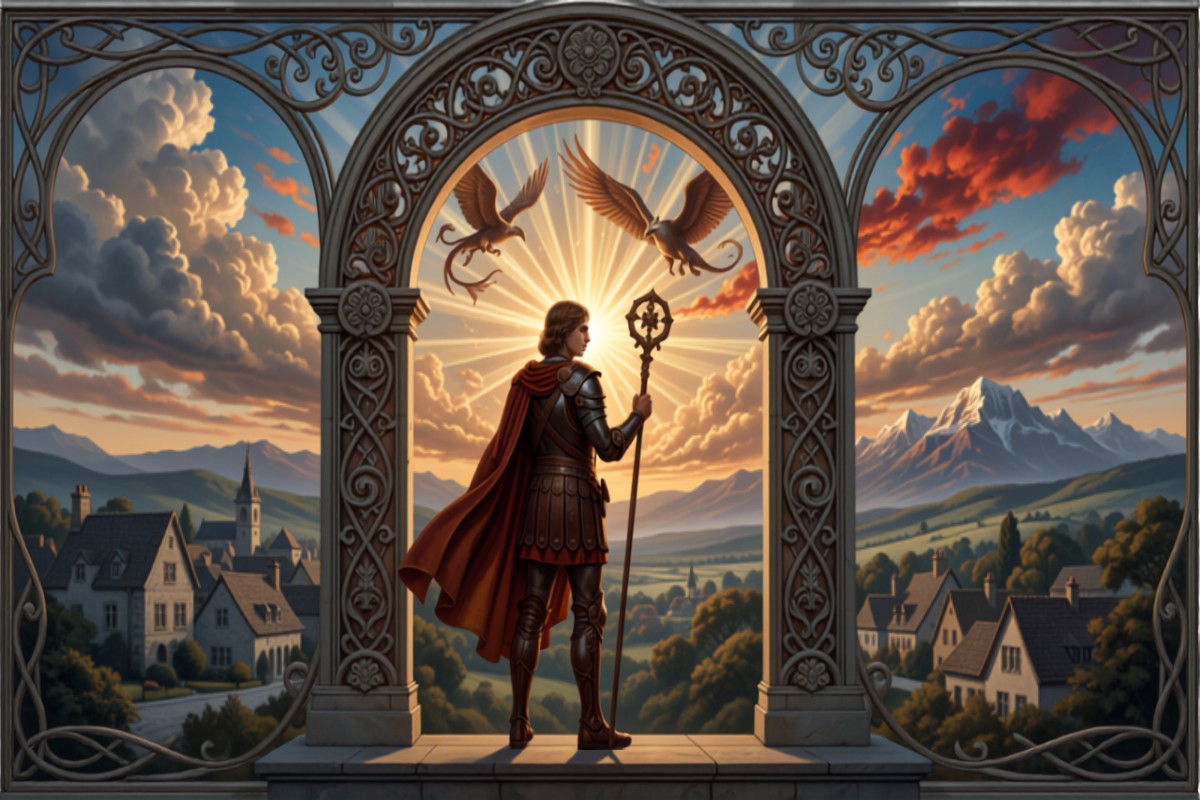
Quick answer: In The Hero with a Thousand Faces (1949), Joseph Campbell described the "monomyth"—a common structure he observed shared by heroic myths across most cultures: the call to adventure, refusal of the call, aid from a mentor, crossing the threshold, trials, crisis, reward, and return transformed. This scheme became one of the most widely used tools in video game narrative design.
The Call to Adventure as the Game's Opening Trigger
The monomyth's first stage—the hero receives a call to leave the familiar world—almost literally matches the inciting incident of the vast majority of games: a letter, a prophecy, a catastrophe forcing the protagonist to leave the starting location. Designers use this stage as a natural point to introduce players to the game's core loop without breaking the sense of narrative organicness.
The Mentor and Early Tutorial Mechanics
The wise mentor archetype (Merlin, Chiron, Gandalf) regularly materializes in games as an NPC who provides initial tools and explains basic mechanics—this character serves a dual function: advancing the plot while naturally delivering the tutorial without breaking the fourth wall with direct gameplay hints.
Crossing the Threshold as a Structural Gameplay Transition
The moment the hero finally leaves the ordinary world and enters the world of adventure is often realized in games as a literal location transition—unlocking the world map, exiting the tutorial level, the first serious enemy encounter. This structural anchor helps designers organize game pacing around recognizable narrative milestones.
Trials and Allies as the Core Gameplay Loop
The monomyth's middle, longest section—a series of trials, encounters with allies and enemies—directly corresponds to the core gameplay loop of most RPGs and adventure games: side quests, assembling a party, gradually strengthening the character before the final confrontation.
Criticism of Applying the Monomyth in Game Design
Some modern developers and critics note that overly literal adherence to Campbell's scheme produces predictable, formulaic plots, and that the monomyth's very universality is contested in academic anthropology (Campbell is accused of over-generalizing disparate material). Nevertheless, the scheme remains a useful diagnostic tool rather than a mandatory recipe.
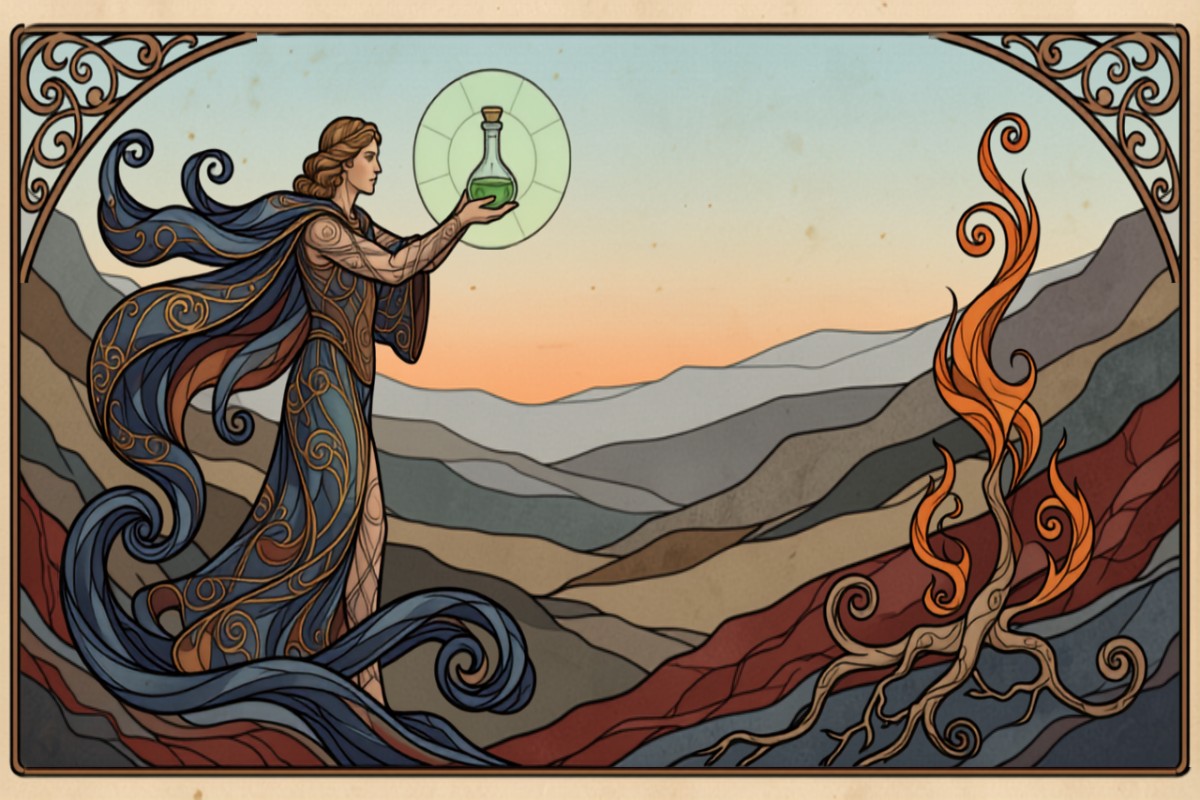
Return with the Elixir as the Player's Final Reward
The monomyth's final stage—the hero's return transformed, bearing a gift for their community—corresponds to the game's ending: reaching a conclusion, unlocking a new game mode or New Game+ content, symbolic confirmation of the character's (and player's) growth through the experience.
Refusal of the Call and the Player's Opening Choice
Often overlooked but important is the monomyth's stage of the hero's initial refusal of adventure—a moment of doubt before accepting the path. In games this stage is sometimes literally realized through an opening player choice (accept the quest or refuse it, with the plot gently coercing the player into the story regardless), and sometimes through characterizing the protagonist as a reluctant hero in cutscenes, which psychologically prepares the player for the scale of the coming trial before gameplay formally begins.
This stage matters not just narratively but for pacing: a pause before accepting the call gives players time to get comfortable with basic interface and mechanics before the stakes rise, making the game's early portion less intimidating for newcomers regardless of genre.
Frequently Asked Questions
What is Joseph Campbell's monomyth?
It is Campbell's proposed common structure for heroic myth, including the call to adventure, mentor aid, trials, crisis, and return as a transformed hero, which he found across many cultures.
Why is the hero's journey scheme popular in game design?
It provides a ready-made, proven structure for organizing game pacing around recognizable narrative milestones that align with natural game mechanics (tutorial, core loop, finale).
What is the criticism of applying the monomyth?
Critics note the risk of formulaic plots from overly literal adherence to the scheme, and also question the universality of Campbell's theory itself within academic anthropology.
Similar articles
Titan Bosses: Designing Final Enemies From Mythology
Why mythological titans and giants became the visual and mechanical template for epic video game bosses
Creature Summoning as a Game Mechanic
From spirit-calling in shamanic practice to summoned pets in RPGs — how a mythological ritual became a game system
Magic as Resource vs. Magic as Divine Gift: Two Philosophies of Game Systems
How mythological understanding of the source of supernatural power shapes the architecture of game magic systems