Titan Bosses: Designing Final Enemies From Mythology
Published: 8/27/2026
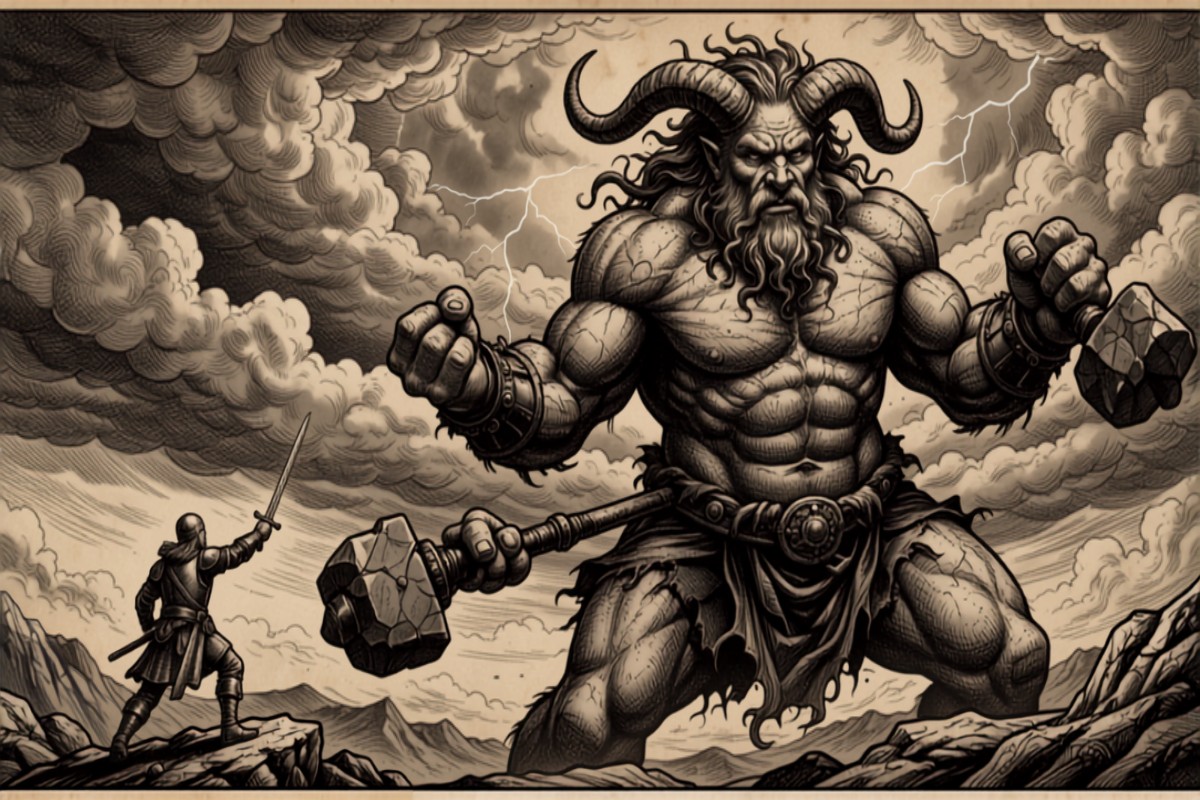
Quick answer: Titans and giants of Greek, Norse, and other mythologies—beings whose scale and might exceed ordinary gods and heroes—became a natural source of inspiration for final boss design in video games. Their mythological function as the power of a preceding, more primal age translates directly into game mechanics of scale and "unfair" superiority.
Scale as an Immediate Threat Signal
Mythological titans are almost always described through the category of enormity—Cronus and his brothers, the Cyclopes, the jötnar of Norse myth are physically larger than gods and humans. In games, this principle is realized literally: titan bosses occupy a significant portion of the screen, instantly communicating the scale of the threat and the importance of the upcoming confrontation without any text.
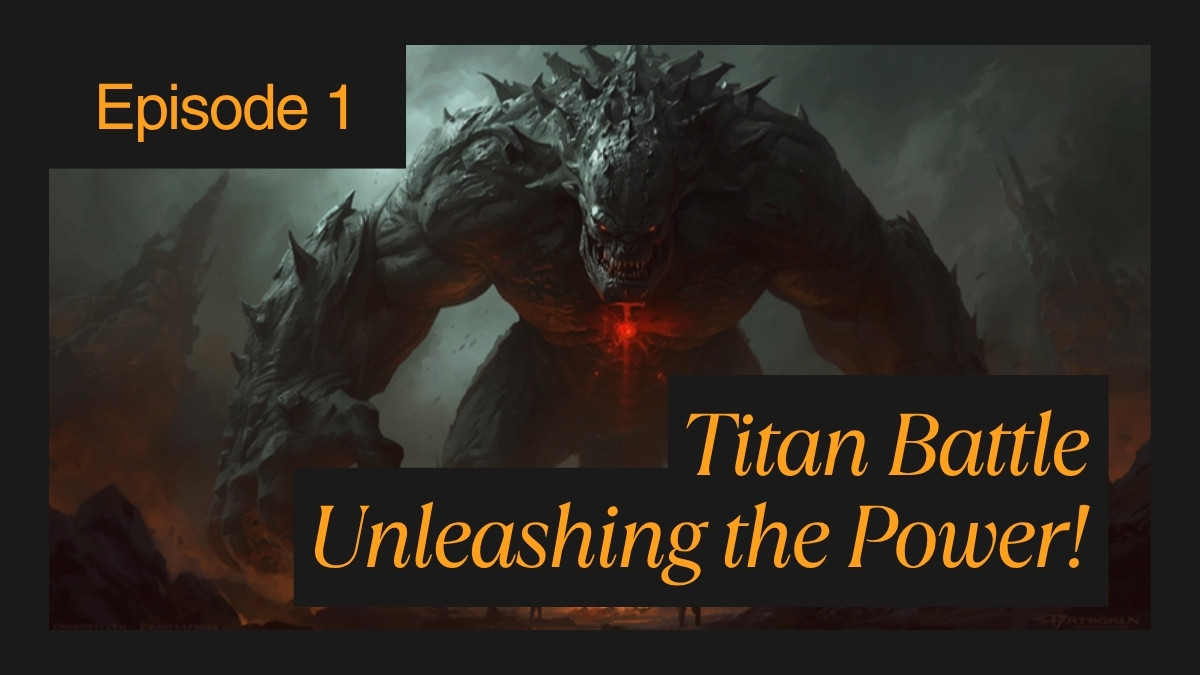
Weak-Point Mechanics as a Reinterpretation of Mythological Weaknesses
Myths rarely portray titans as invulnerable—they are defeated through cunning, the gods' collective effort, or a specific vulnerable spot. Game design translates this into explicit "weak point" mechanics on the boss's body (a Cyclops's eye, a giant's joint), attacks on which deal disproportionately greater damage—a gameplay embodiment of the mythological idea that even primordial power has a limit.
Multi-Phase Battles as an Echo of Sequential Mythological Victories
Myths of overthrowing titans often describe the process as a series of sequential actions (Zeus gathers allies, obtains weapons, then fights)—a pattern directly matching the multi-phase structure of modern boss fights, where each phase demands new tactics from the player, reflecting the escalating difficulty of a mythological primordial power's downfall.
Collective Effort Versus Solo Heroism
Unlike fights against lesser opponents, myths of victory over titans often stress the necessity of alliance (the Olympians unite against the Titans, the gods receive weapons from the Cyclopes and Hecatoncheires). Many games reflect this through mechanics requiring team play or temporary NPC ally assistance specifically in boss fights of this scale.
The Titan as an Embodiment of a Previous, Rejected Age
Mythologically, titans represent an older, often more chaotic world order overthrown by a new generation of gods. Game design frequently uses this symbolism directly: a titan boss embodies the game world's old, crumbling order, and defeating it signals the start of a new era for the narrative.
Sound Design of Scale: Audio Reinforcement of Threat
Beyond visual scale, the mythological sense of a titan's primordial might in games is often reinforced through sound design: low-frequency, literally felt footsteps, roars reflecting the creature's inhuman nature, musical themes using archaic or ethnic instruments evoking the pre-literate, pre-divine age the titan symbolizes. This is a direct extension of the scale principle—the threat must be felt not only visually but at the level of physical, almost bodily discomfort for the player.
The final beat of a typical titan fight—the moment when, after a long, grueling battle, the giant creature finally falls—designers often deliberately slow down, stretching the fall animation several seconds longer than mechanically necessary, to give players time to emotionally process the scale of the victory just achieved, mirroring the awe with which myths describe the downfall of primordial powers.
Frequently Asked Questions
Why are titan bosses in games usually enormous in size?
This is a direct borrowing from mythology: titans and giants in myth are described through the category of enormity, which in games instantly communicates the scale of the threat without text.
Where does the weak-point mechanic on bosses come from?
From myths where even mighty titans are defeated through a specific weakness or cunning rather than brute force—translated into games as explicit "weak points" on the boss's body.
Why do some titan boss fights require team play?
This reflects the mythological motif of collective overthrow of primordial forces—the Olympians defeat the Titans not alone but through combined effort and allied help.
Similar articles
Joseph Campbell's Hero's Journey in Video Games
How a universal monomythic structure became a practical tool for game narrative design
Creature Summoning as a Game Mechanic
From spirit-calling in shamanic practice to summoned pets in RPGs — how a mythological ritual became a game system
Magic as Resource vs. Magic as Divine Gift: Two Philosophies of Game Systems
How mythological understanding of the source of supernatural power shapes the architecture of game magic systems