Creature Summoning as a Game Mechanic
Published: 8/27/2026
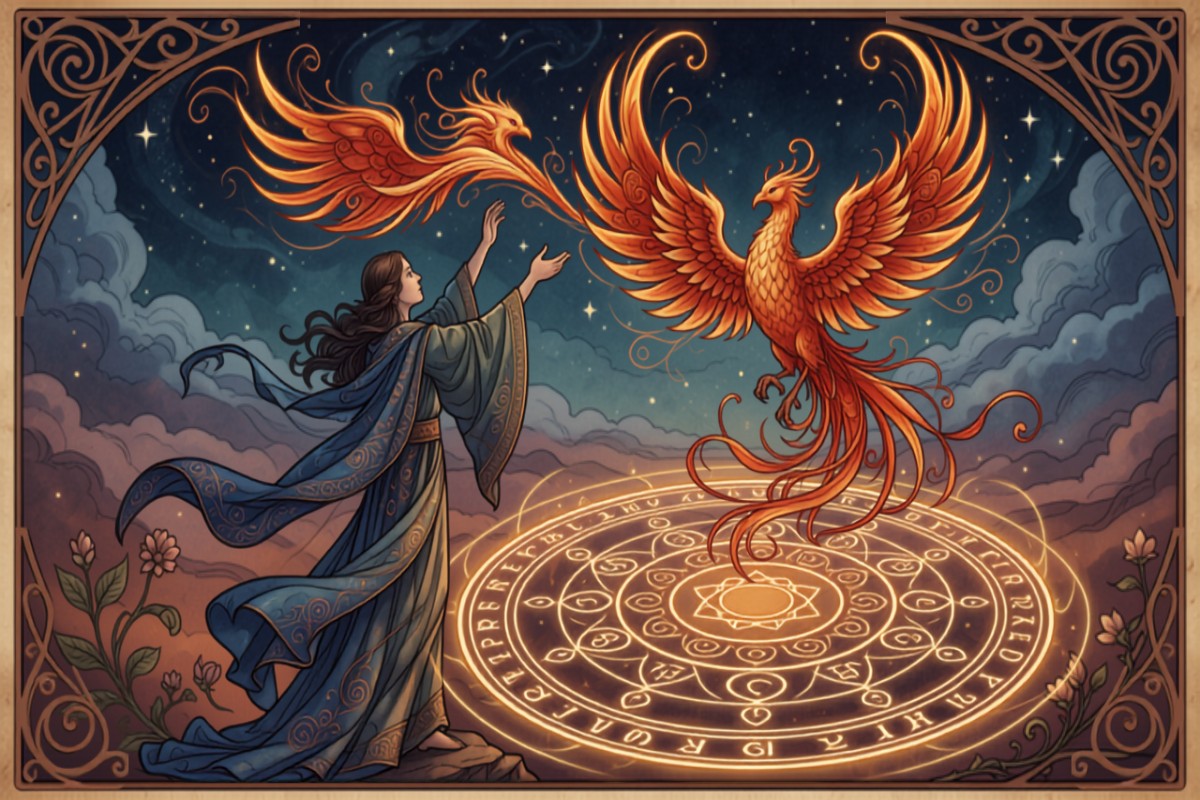
Quick answer: The creature-summoning mechanic—casters calling forth spirits, demons, or beasts to aid them—traces directly back to shamanic and priestly practices of summoning helper spirits, known across nearly every culture on Earth. Game design turns this ritual act of communicating with the supernatural into a controllable, repeatable game system.
The Shamanic Prototype: The Helper Spirit as Ally
In the shamanic traditions of Siberia and North and South America, the practitioner makes contact with animal spirits (totems) that act as guides, protectors, or sources of power during ritual trance. A key feature of this tradition is that the spirit does not fully submit but cooperates with the summoner, distinguishing the shamanic model from later, coercive forms of summoning (demonology).
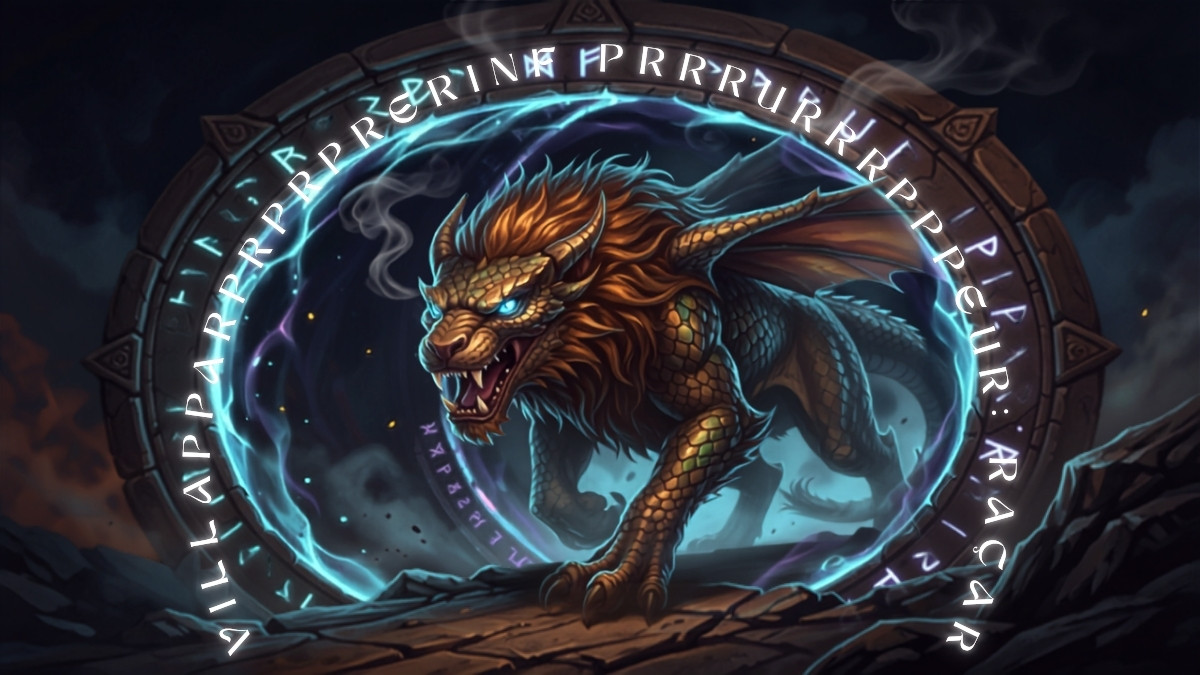
Demonology: Summoning Through Compulsion and Contract
Medieval Western demonology describes a very different model: the magician compels or binds a demon through knowledge of its true name, a seal, and a strict ritual protocol. This tradition underlies game summoning mechanics requiring exact execution of a sequence (ritual circles, specific reagents)—a ritual error in myth often resulted in the summoned creature slipping out of control, which designers reproduce as the risk of a "failed summon."
Temporary Ally vs. Permanent Companion
Mythological traditions diverge on the durability of the bond with a summoned creature—from a one-time ritual to a lifelong totemic alliance. This fork directly determines game design: consumable summoning spells (one-time buffs) versus persistent pet/companion systems that grow and develop alongside the player, reflecting the deeper, lasting bond of totemic tradition.
The Price of Summoning as a Balancing Mechanism
In virtually every mythological system, contact with the supernatural carries a price—sacrifice, health risk to the practitioner, danger of possession. Game summoning systems almost always include an analogous cost: expending the summoner's health or mana resource, limited duration for the summoned creature, risk of losing control.
Mass Summoning and Armies of Creatures
Some mythological traditions (such as Solomonic demonology with its hierarchy of 72 spirits) describe the ability to command not a single but an entire army of supernatural servants. This motif directly underlies necromancer and summoner classes in strategy and role-playing games, where players manage multiple summoned units simultaneously.
The Summoner-Creature Bond: Control and Autonomy
A separate design question is how autonomous a summoned creature is in its actions. Mythological traditions diverge here as well: a shamanic helper spirit usually retains its own will and can refuse a request, while a bound demon in Western demonology must obey completely so long as the correct words of control are spoken. Game design reproduces this spectrum through mechanics of direct control (the player manually commands every action of the creature) versus semi-autonomous behavior (the creature acts on its own base logic, responding to general orders).
Fully autonomous summoned creatures with their own AI behavior are closer to the shamanic model of cooperation and create a more unpredictable, organic play experience, while tightly controlled units are closer to the demonological model of compulsion and give players more tactical control at the cost of the feeling of a living ally.
Frequently Asked Questions
How does the shamanic summoning model differ from the demonological one?
In shamanic tradition the spirit cooperates with the summoner voluntarily, whereas in demonology the magician compels or binds the creature through ritual and knowledge of its true name.
Why does summoning creatures in games often carry a resource cost?
This reflects the mythological principle that contact with the supernatural requires sacrifice or risk—a direct parallel to expending the summoning player's mana or health.
Where does the motif of an army of summoned creatures in games come from?
From traditions like Solomonic demonology with its hierarchy of 72 spirits a magician could command simultaneously—the prototype for necromancer and summoner classes.
Similar articles
Titan Bosses: Designing Final Enemies From Mythology
Why mythological titans and giants became the visual and mechanical template for epic video game bosses
Joseph Campbell's Hero's Journey in Video Games
How a universal monomythic structure became a practical tool for game narrative design
Magic as Resource vs. Magic as Divine Gift: Two Philosophies of Game Systems
How mythological understanding of the source of supernatural power shapes the architecture of game magic systems