Joyce's Ulysses as a 20th-Century Myth
Published: 8/27/2026
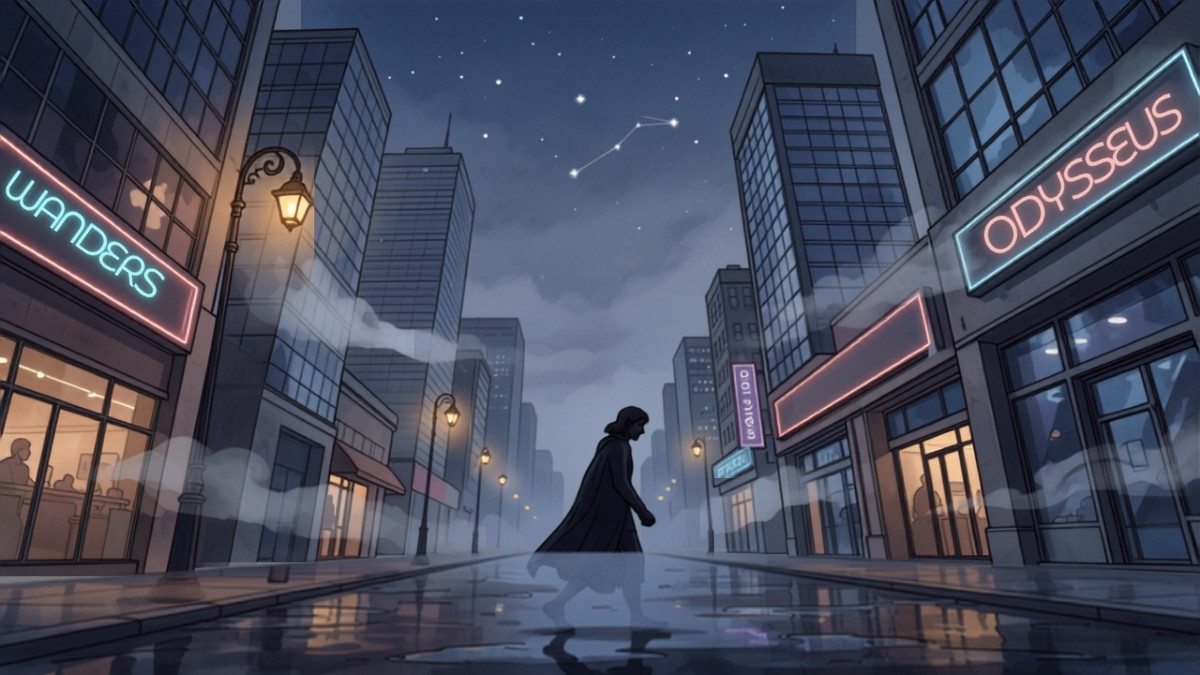
Quick answer: James Joyce's novel Ulysses (1922) describes a single day—June 16, 1904—in the life of Dubliner Leopold Bloom. Each of the book's 18 episodes structurally corresponds to an episode of Homer's Odyssey, but instead of wandering the mythical Mediterranean, the reader gets a trek through the bars, newspaper offices, and brothels of Dublin. It is one of literary history's most radical experiments in transplanting myth into the everyday.
The Hidden Framework: Why Joyce Needed Homer
Joyce never printed the episode titles in the novel itself—the correspondences to "Telemachus," "Lestrygonians," "Cyclops," and so on were only revealed in schemas the author circulated to friends and critics after publication. The Homeric framework functioned not as a declared device but as hidden architecture: a reader unaware of the parallel experiences the novel as a stream-of-consciousness account of a Dublin day, while a reader who knows it hears a second, mythological score playing beneath the mundane plot.
Leopold Bloom as an Anti-Hero Odysseus
The novel's key ironic move is replacing Homer's warrior-king-trickster hero with a modest, good-natured, largely passive Jewish advertising canvasser. Bloom doesn't fight Cyclopes or outwit gods; his "voyage" is a walk through the city, dodging everyday troubles and enduring his wife's infidelity. Joyce thereby asserts that modern heroism lies not in feats but in the ability to retain humanity and patience amid the flow of the ordinary.
Stephen Dedalus as Telemachus
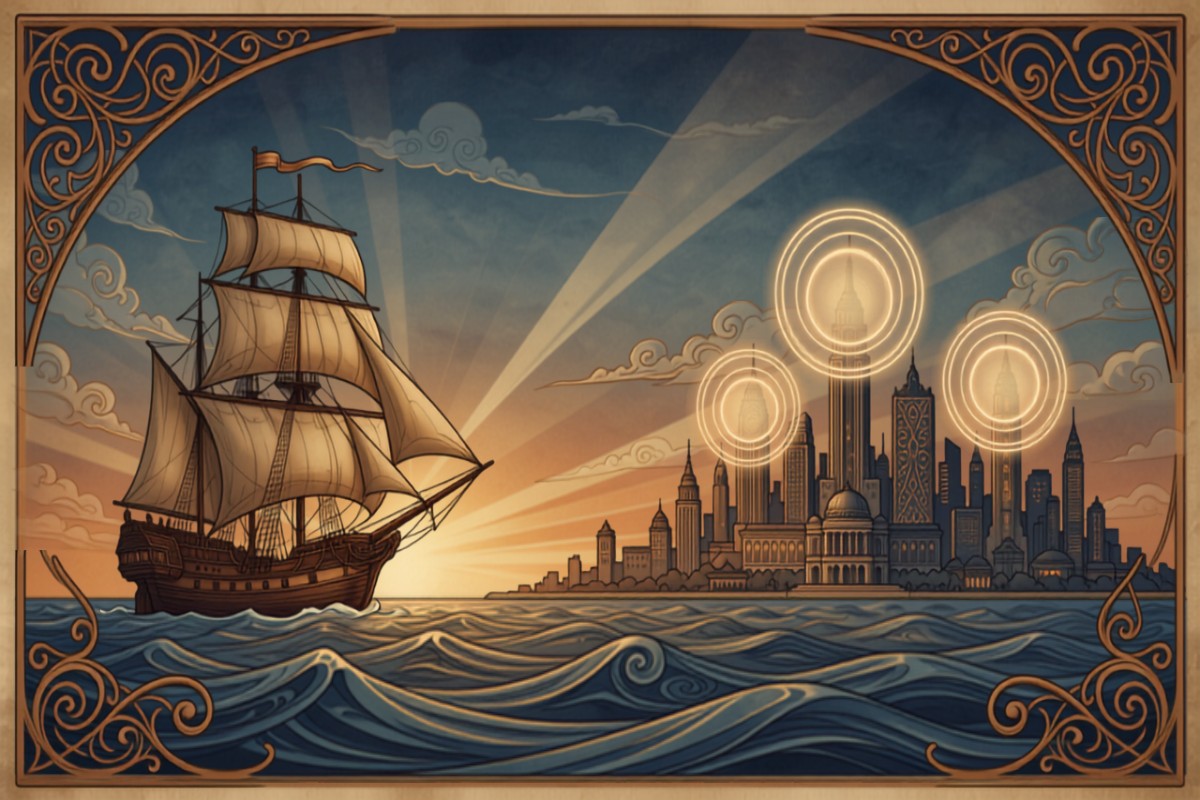
The young intellectual Stephen Dedalus, already familiar to readers from Joyce's earlier novel A Portrait of the Artist as a Young Man, occupies the Telemachus position in Ulysses' structure—a son searching for a symbolic father. Bloom and Dedalus's meeting in the novel's final episodes echoes the reunion of Odysseus and Telemachus, but stripped of Homeric pathos: it is a chance, almost insignificant encounter between two lonely men on a Dublin night.
Molly Bloom as Penelope Inverted
Bloom's wife Molly corresponds to Homer's Penelope, but in precisely the opposite key: where the mythological Penelope maintains twenty years of faithful waiting, Molly is unfaithful to her husband on the day the novel depicts. Molly's famous closing monologue—an unbroken stream of consciousness without punctuation—became one of the most discussed texts of 20th-century literature, reimagining female sexuality and subjectivity through a mythological role originally founded on the virtue of waiting.
Myth as Method, Not Decoration
In his famous 1923 review, T.S. Eliot called Joyce's use of Homeric parallelism the "mythical method"—a way of giving "shape and significance to the immense panorama of futility and anarchy which is contemporary history." In other words, myth here functions not as a source of plot but as a structural scaffold, allowing chaotic modern experience to be organized through a recognizable archetypal framework.
Influence on 20th-Century Literature
Joyce's device—covertly overlaying an ancient myth onto a contemporary plot—became one of modernist and postmodernist literature's most important methods. A direct line runs from Ulysses to numerous later works that use a mythological substrate as an invisible skeleton for narratives about the present.
Frequently Asked Questions
Do you need to know the Odyssey to understand Ulysses?
No, the novel can be read without knowledge of Homer's poem, but knowing the parallels significantly enriches understanding of the text's structure and irony.
Why is the novel called Ulysses if it's set in Dublin?
The title directly points to the hidden Homeric framework—"Ulysses" is the Latinized name of Odysseus, and the entire novel is built as a modern analogue of his wanderings.
Who coined the term "mythical method" for Joyce's technique?
T.S. Eliot proposed the term in a 1923 review, describing the device of overlaying ancient myth onto modern material as a way of ordering the chaos of modernity.
Similar articles
The Jungian Shadow Archetype in Mythology
How Carl Jung's psychoanalytic concept explains doubles, demons, and monsters across the world's mythologies
Wagner's Ring Cycle: Myth as Opera
How Richard Wagner's four operas reassembled Germanic-Norse myth into a unified epic of gold, power, and the twilight of the gods

Percy Jackson: Adapting Greek Myth for Teen Readers
How Rick Riordan's series turned the Olympian pantheon into a world of modern teenage demigods