The Jungian Shadow Archetype in Mythology
Published: 8/27/2026
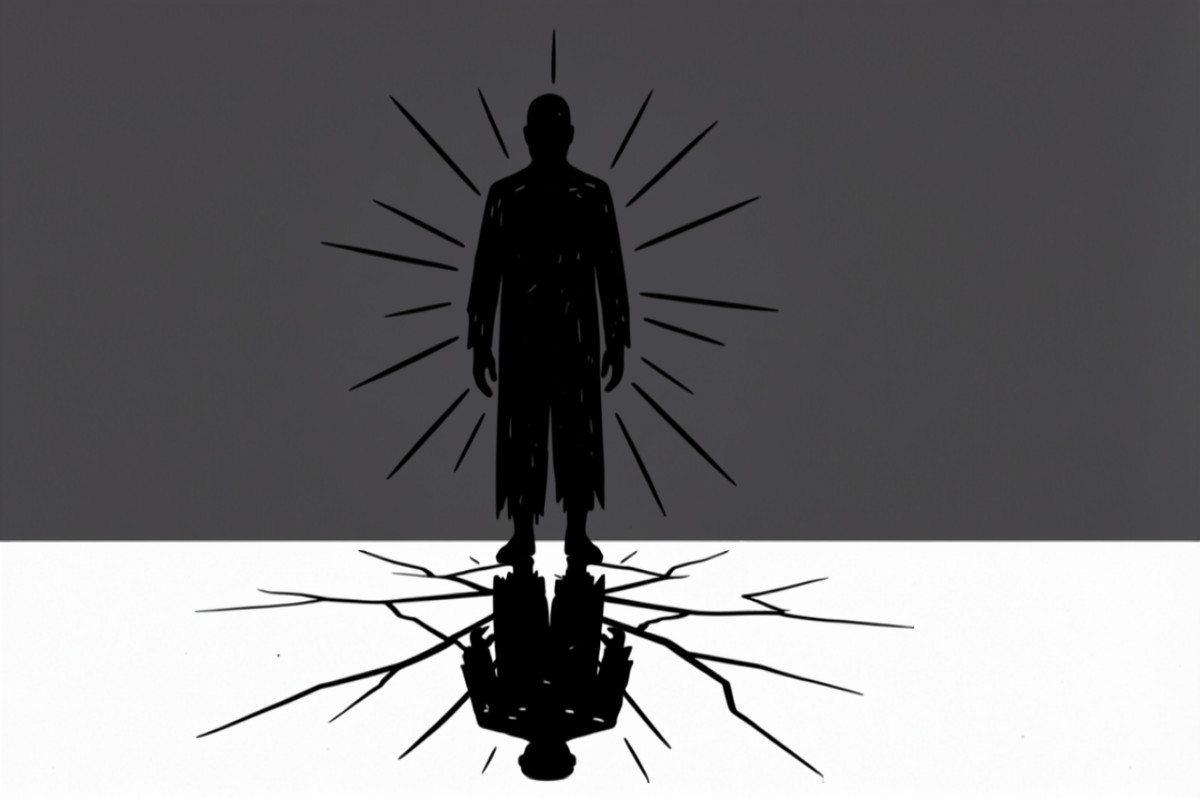
Quick answer: Swiss psychiatrist Carl Gustav Jung introduced the concept of the Shadow—the repressed, unconscious part of the personality containing qualities a person rejects in themselves. Jung believed that myths from different cultures independently produce similar shadow-figures: doubles, tempting demons, and chthonic monsters—because the structure of the human psyche is universal.
What the Shadow Is in Analytical Psychology
According to Jung, the Shadow is an archetype encompassing all aspects of personality the conscious mind refuses to acknowledge: aggression, envy, selfishness, sexuality, and other "unacceptable" impulses. The Shadow is not evil in itself—it is simply repressed material, and for Jung, psychological maturation requires not destroying the Shadow but integrating it, recognizing it as part of oneself.
The Mythological Double as Shadow Projection
The motif of the double—the dark twin, the doppelganger, the evil alter ego—appears in mythologies worldwide independently of one another: the Egyptian Seth as Osiris's dark brother, the Norse Loki as trickster among the noble Aesir, countless folk tales of a person encountering their own sinister double. The Jungian reading sees these stories not as coincidence but as a pattern: the human psyche universally needs an image embodying the repressed sides of personality.
Underworld Monsters as Collective Shadow
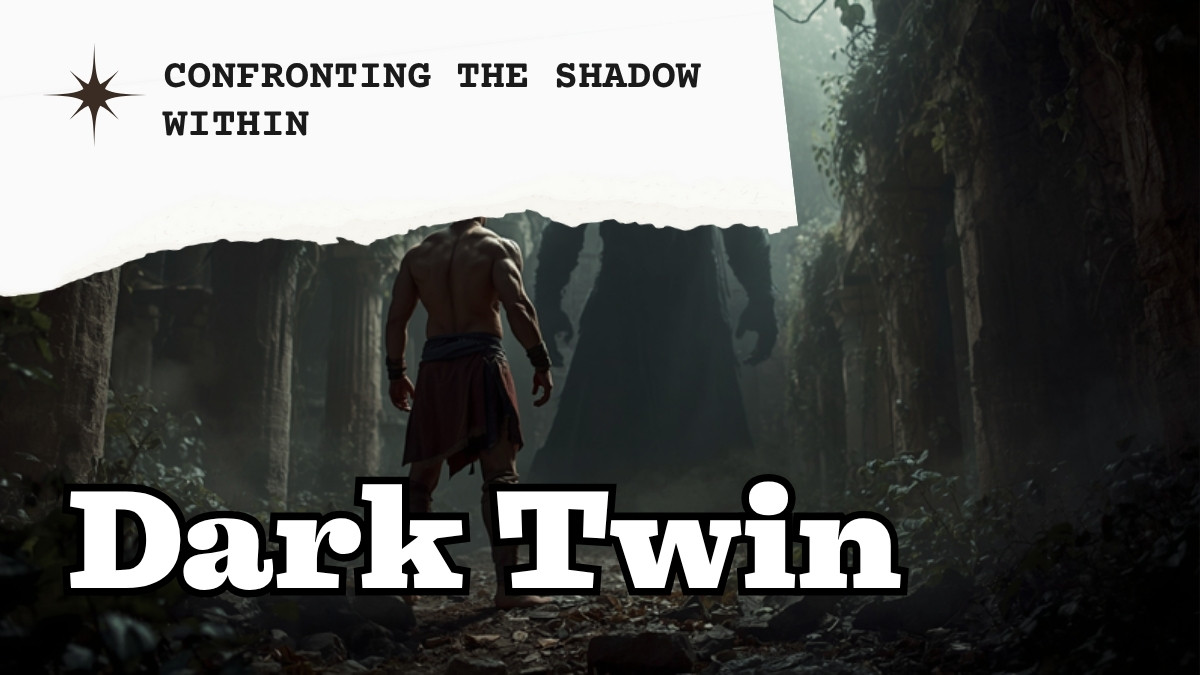
Jung and his followers interpreted chthonic monsters—dragons guarding hoards, underworld guardians like Cerberus—as symbolic embodiments of the collective Shadow, something a society or individual must confront and overcome on the path of individuation (the process of becoming a whole personality). The hero's victory over the dragon, in this view, is not merely a martial feat but a psychological metaphor for integrating repressed material.
Mephistopheles, Lucifer, and the Tempter as Archetype
The figure of the tempting demon offering forbidden knowledge or power in exchange for a moral compromise (Goethe's Mephistopheles, the serpent in Eden, countless folkloric tricksters) represents, for Jung, a particularly vivid manifestation of the Shadow—it is seductive precisely because it appeals to genuine but suppressed human desires.
Critique of the Jungian Approach to Myth
Academic anthropology and comparative religious studies treat Jungian readings of myth with caution: critics note that Jung's universalist approach tends to ignore the specific historical and cultural context of myths in favor of seeking pan-human psychological patterns, which is not always methodologically sound. Nevertheless, the Jungian framework remains influential in literary studies, film criticism, and pop psychology as a way of analyzing archetypal narratives.
Influence on Contemporary Culture
The Shadow concept is actively used in analyzing modern media: superheroes' dark alter egos, antagonists mirroring the protagonist, stories of a hero confronting their own "evil double" in film and video games—all of these are regularly analyzed through a Jungian lens as a way of telling a story of psychological wholeness through external conflict with an embodied Shadow.
Frequently Asked Questions
Is the Jungian Shadow synonymous with evil?
No, the Shadow is repressed personal material that can include not only destructive but also creative, vital impulses rejected by consciousness for various reasons.
Why do similar double-myths appear across different cultures?
Jung explained this through the universality of the human psyche's structure—archetypes, including the Shadow, are according to his theory part of the collective unconscious shared by all humanity.
How does integrating the Shadow relate to a hero defeating a monster in myth?
In the Jungian reading, defeating a dragon or monster symbolizes not destruction but the recognition and integration of repressed aspects of personality as a necessary stage of psychological maturation.
Similar articles
Wagner's Ring Cycle: Myth as Opera
How Richard Wagner's four operas reassembled Germanic-Norse myth into a unified epic of gold, power, and the twilight of the gods
Joyce's Ulysses as a 20th-Century Myth
How a single day of Dublin life became a structural double of Homer's Odyssey
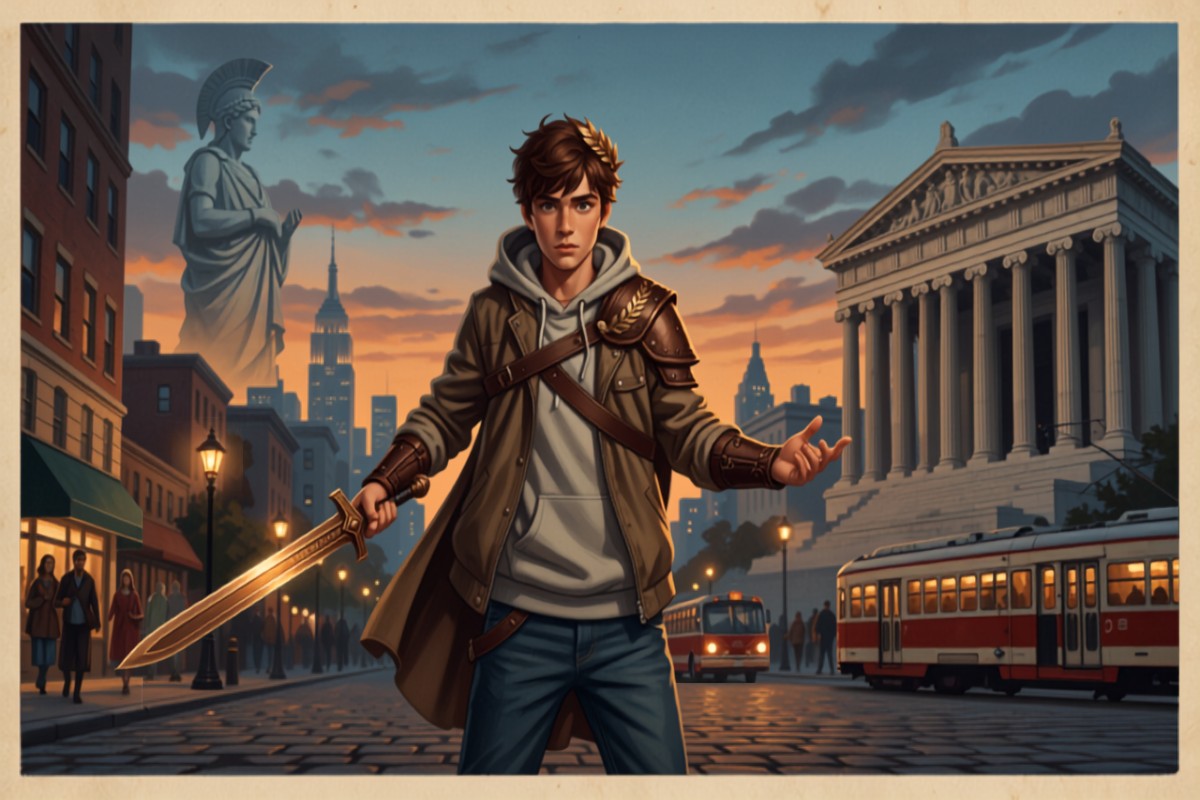
Percy Jackson: Adapting Greek Myth for Teen Readers
How Rick Riordan's series turned the Olympian pantheon into a world of modern teenage demigods