Troy (2004): Mythology Versus History
Published: 8/26/2026
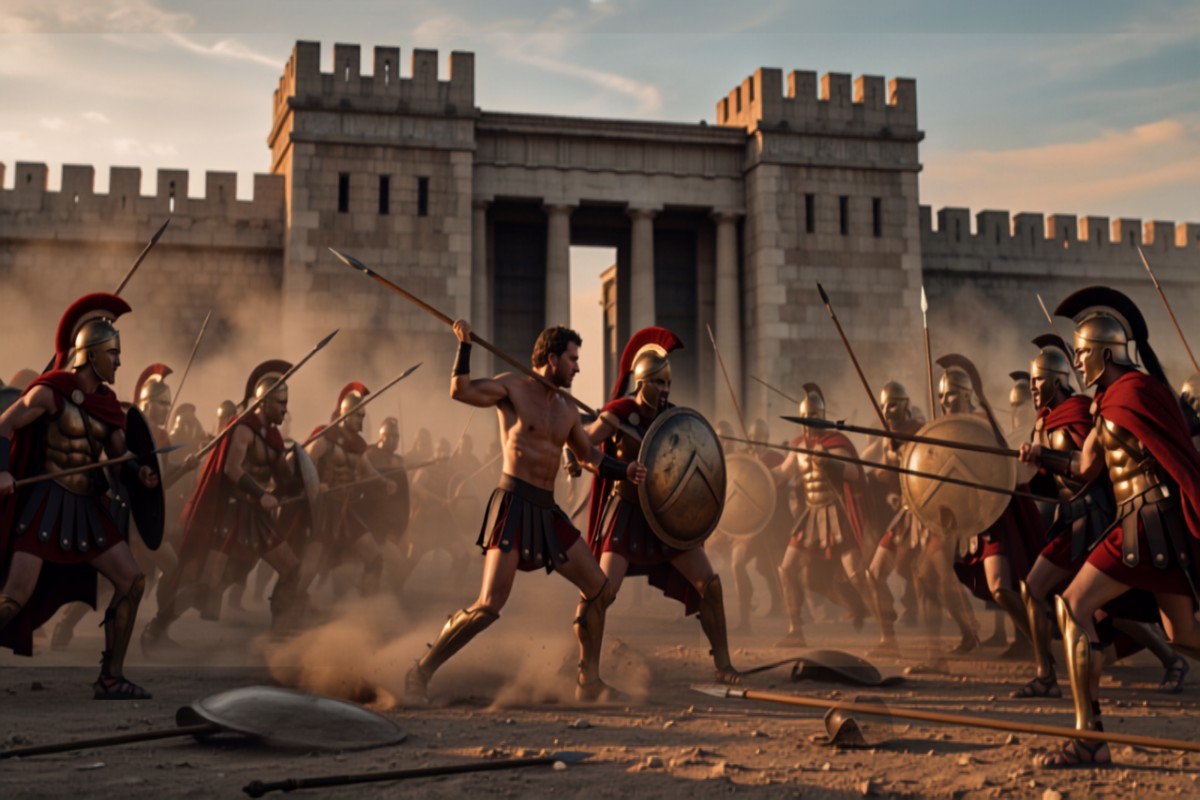
Quick answer: The 2004 film Troy adapts Homer's Iliad but deliberately strips out all divine intervention, turning the mythological epic into a historical drama about people. This choice radically changes the story's meaning: what in Homer was fate ordained by the gods becomes, in the film, the result of human decisions, pride, and chance.
Homer Without Gods: A Bold Screenwriting Choice
In the Iliad, the gods constantly intervene in the Trojan War: Athena stops Achilles' sword, Aphrodite saves Paris from certain death in a duel, Apollo sends a plague upon the Greek camp. Screenwriter David Benioff chose to remove these supernatural elements entirely, leaving only their consequences—the film's characters act from their own motives rather than divine will.
This choice fundamentally shifts the genre: the Iliad is an epic about the collision of fate and mortal will; Troy is a historical drama about power, pride, and the cost of war. Homer's Achilles is a demigod, an almost invulnerable warrior; the film's Achilles is a brilliant but mortal fighter whose weaknesses are explained entirely through human factors.
Merging Two Wars Into One: Narrative Compression
The Iliad describes only a few weeks of the tenth year of Troy's siege. The film compresses the entire ten-year war into a few weeks of screen time, adding events absent from Homer entirely (for instance, Menelaus's death at Hector's hands—in the myths, Menelaus survives the war and returns to Sparta with Helen). Such liberties were necessary for cinematic pacing but diverge significantly from the source.
Achilles: From Demigod to Mortal Hero
Perhaps the most significant change is the treatment of Achilles. In myth he is invulnerable everywhere except his heel (per a later addition to the myth, absent in Homer himself), and his death is foretold by prophecy. In the film, Achilles is simply an outstanding warrior with no supernatural protection, and his death by Paris' arrow results from human vulnerability rather than the fulfillment of fate. This shift makes the story more accessible to modern audiences but strips away the original's metaphysical dimension.
What the Film Preserved Faithfully
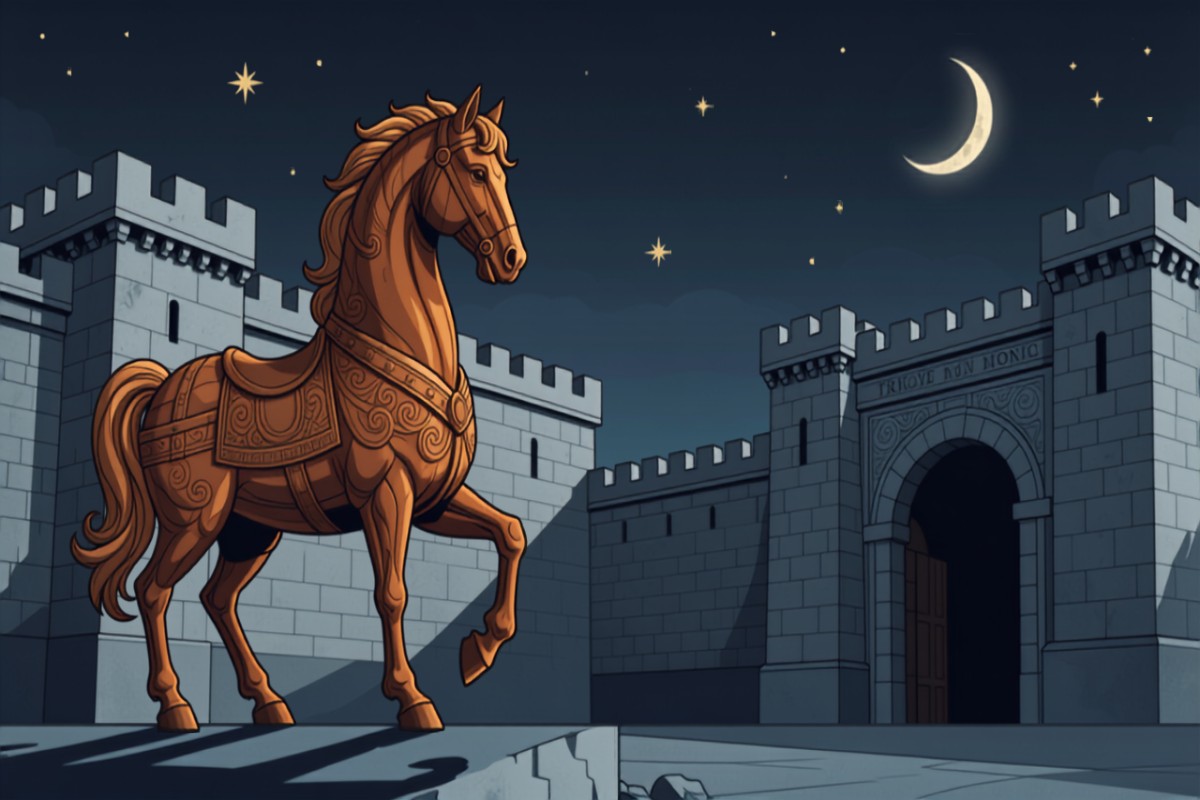
Despite all its liberties, Troy handled certain central elements of the myth carefully: the duel between Achilles and Hector beneath the city walls, the desecration of Hector's body and King Priam's subsequent plea to have it returned for burial, and the wooden horse stratagem itself—all rendered with respect for the source material's tone, even where details differ.
Historical Troy vs. Homer's Troy
A separate layer of complexity is the film's relationship not just to myth but to real archaeology. Heinrich Schliemann's 19th-century excavations uncovered a real ancient city on the site of legendary Troy (modern Hisarlik, Turkey), but the connection between this historical settlement and Homer's epic remains a subject of scholarly debate. The film, then, adapts not so much history as the myth of history—another layer of mediation between the viewer and the actual Bronze Age events, if any underlie the Iliad at all.
Frequently Asked Questions
Why are there no Greek gods in the film Troy?
The screenwriter deliberately removed divine intervention to turn the mythological epic into a historical drama about human motives—power, pride, and the cost of war.
How closely does the film follow Homer's Iliad?
The film preserves key plot points (the Achilles-Hector duel, the Trojan Horse) but significantly compresses the timeline and removes all the supernatural elements, while adding events absent from Homer.
Did Troy actually exist?
Archaeologists have found a real ancient settlement at the presumed site of Troy (Hisarlik, Turkey), but the precise connection between this city and the events of the Iliad remains a matter of scholarly debate.
Similar articles
God of War (2018): Reimagining Norse Mythology
How the acclaimed reboot moved Kratos from the Greek pantheon into the world of Odin, Thor, and Jormungand
Hades: Playing as the God of the Underworld
How Supergiant Games' roguelike turned the Greek pantheon into a cast of characters and the underworld into a playground
300: The Mythologizing of History
How Frank Miller's comic and its film adaptation turned the real Battle of Thermopylae into a modern myth of heroism