Hades: Playing as the God of the Underworld
Published: 8/26/2026
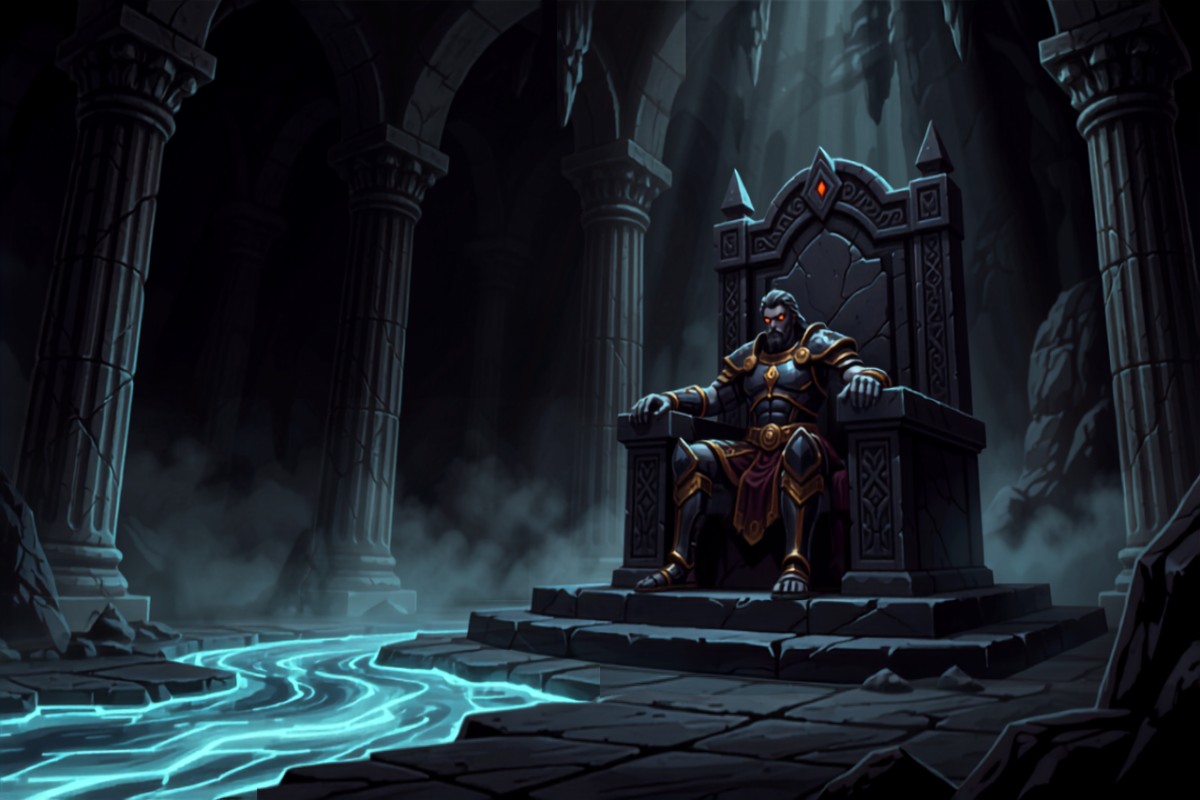
Quick answer: Hades (2020) is a roguelike in which the player controls not Hades himself but his son Zagreus, attempting to escape his father's underworld realm to the surface. The game weaves an intricate web of relationships between the Olympian gods and chthonic powers, drawing on lesser-known versions of Greek myth in which Hades genuinely does have a son named Zagreus.
Zagreus: A Rare Mythological Figure Takes the Lead
Choosing Zagreus as protagonist was neither accidental nor invented by the writers. In the Orphic tradition of Greek mythology, Zagreus is indeed mentioned as the son of Hades and Persephone, or in some variants as an aspect of Dionysus, torn apart by the Titans and reborn. Supergiant Games drew on precisely this lesser-publicized branch of mythology rather than the classical Olympian canon, giving them a relatively blank slate with minimal overlap with already-established cultural imagery.
Hades: A Stern Father Rather Than a Villain
A key departure from popular perception is the game's refusal to portray Hades as a classic devil-archetype antagonist. In myth, Hades rarely embodies evil; he is rather a stern, just, and uncompromising administrator of the afterlife. The game preserves this ambivalence: Hades is a domineering, cold father obstructing his son's escape, but not a villain in the moral sense—a figure whose severity is rooted in fulfilling a cosmic duty.
The Olympians as a System of Game Buffs
One of the game's most elegant design choices is turning the Olympian gods' blessings into an ability-boosting mechanic. Zeus grants lightning, Poseidon a knockback effect, Athena deflection with a shield, Aphrodite weakening effects through charm. Every blessing is mythologically motivated: the abilities derive directly from the gods' spheres of influence in traditional myth rather than being invented arbitrarily.
This approach solves two problems at once: it makes mythology legible through gameplay (even a player unfamiliar with the myths intuitively grasps the logic of the abilities), while rewarding knowledgeable players with a deeper reading of the references.
Persephone and the Seasons as Metaphor
Persephone's appearance in the second half of the story, and her role as Zagreus' mother who left the underworld, directly echoes the central Greek myth explaining the changing seasons. The game uses this myth not literally but as an emotional metaphor for family rupture and attempted reunion—the rift between Hades and Persephone becomes a personal, not merely a natural, drama.
Minor Chthonic Deities
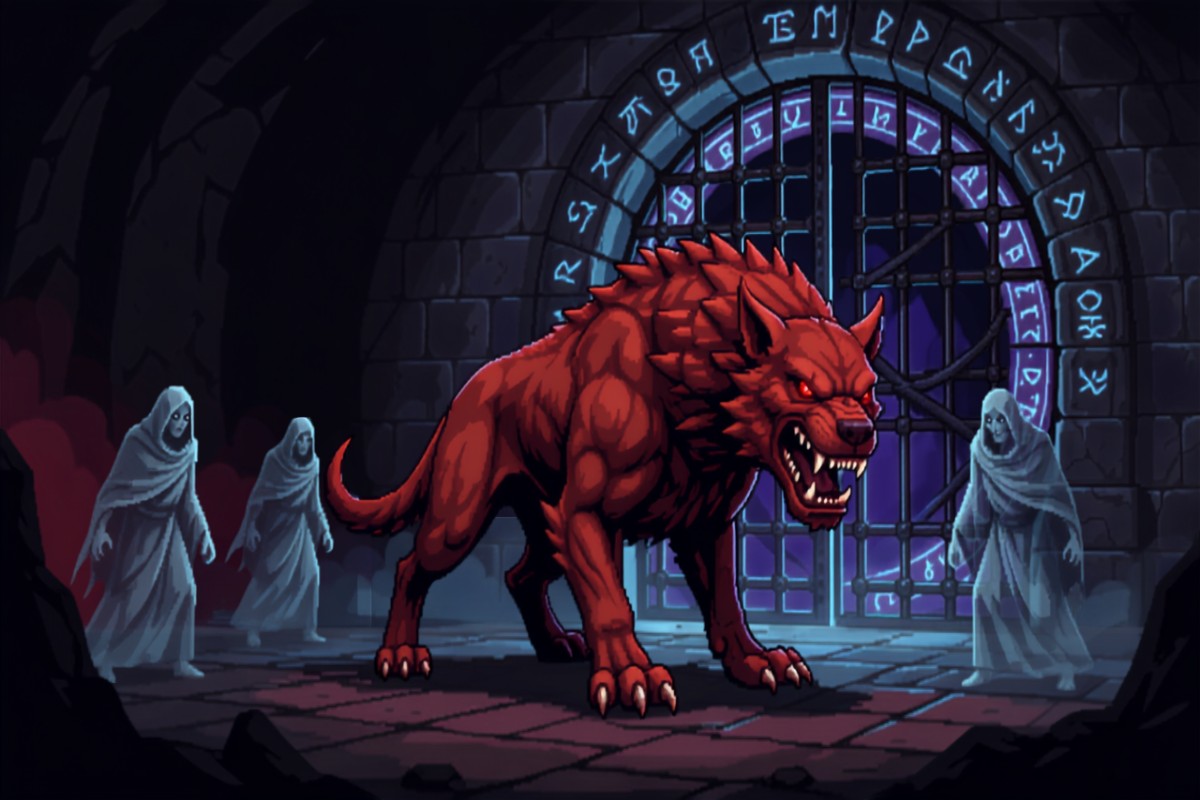
Beyond the major Olympians, the game populates the underworld with figures less familiar to the general public: Nyx (goddess of night), Hypnos (god of sleep), Thanatos (personification of death), Megaera, and other Furies. Their presence demonstrates the developers' research-driven approach—they clearly drew not just on the school-canon myths but on more specialized sources of Greek theogony.
Frequently Asked Questions
Did Zagreus actually exist in real Greek mythology?
Yes, Zagreus is mentioned in the Orphic tradition as the son of Hades and Persephone, or as an aspect of Dionysus—this lesser-known thread of myth became the basis for the game's plot.
Why doesn't Hades appear as a classic villain in the game?
The developers drew on the Greek conception of Hades as a just but stern administrator of the afterlife rather than an embodiment of evil, which is consistent with the original mythology.
How mythologically accurate are the gods' abilities in the game?
The in-game blessings are directly tied to the gods' spheres of influence in traditional myth—Zeus's lightning, Poseidon's trident, Athena's shield—making the game mechanics mythologically grounded.
Similar articles
God of War (2018): Reimagining Norse Mythology
How the acclaimed reboot moved Kratos from the Greek pantheon into the world of Odin, Thor, and Jormungand
Troy (2004): Mythology Versus History
How the Hollywood adaptation removed the gods from the Iliad, and what myth gained and lost as a result
300: The Mythologizing of History
How Frank Miller's comic and its film adaptation turned the real Battle of Thermopylae into a modern myth of heroism