The Trickster Archetype in Game Design: Cunning as Game Mechanic
Published: 8/27/2026
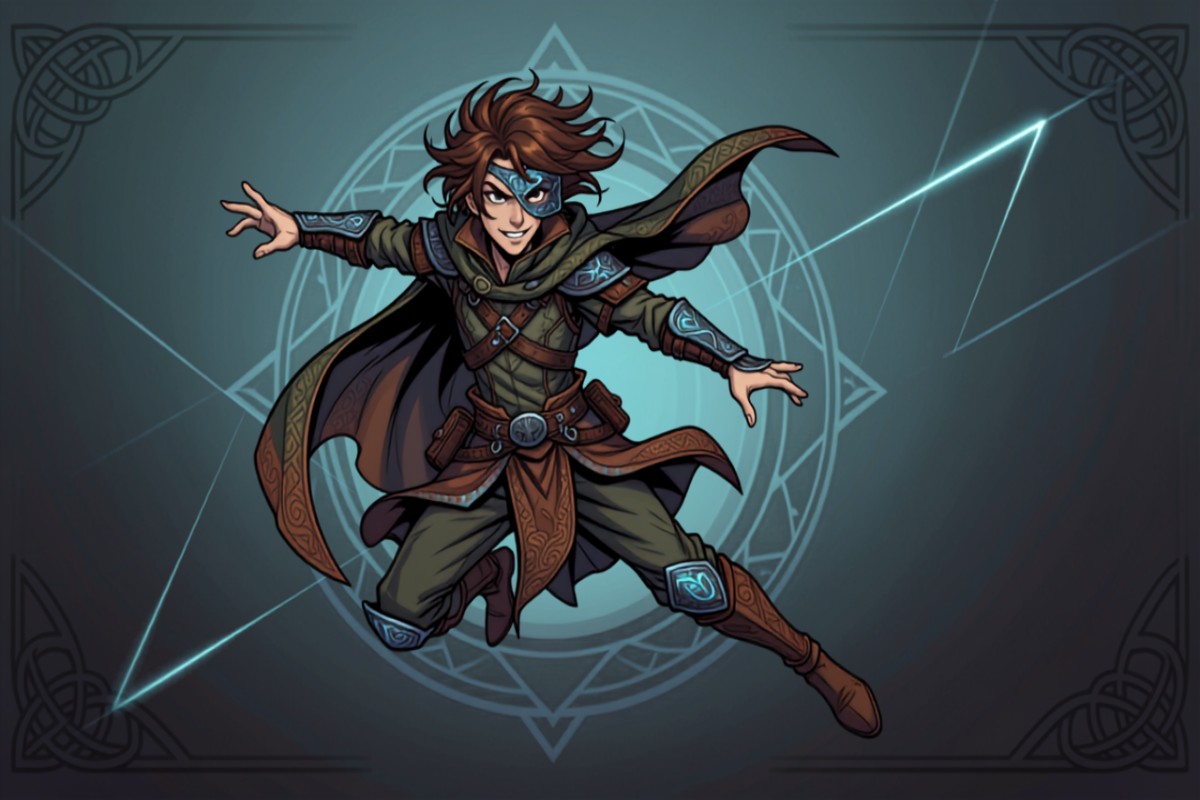
Quick answer: Where the Warrior wins through direct strength, the game Trickster (Rogue, illusionist) inherits the mythological tradition of Loki, Hermes, and Anansi—victory through deception, indirect influence, and breaking established rules. This is the hardest archetype to balance, since its power often lies not in stats but in an information advantage over the opponent.
The Trickster in Myth: A Liminal Figure
Mythological tricksters are almost never unambiguously heroes or villains—Loki alternately helps and betrays the Aesir; Hermes is simultaneously god of thieves and psychopomp; Anansi cunningly obtains wisdom for all humanity by deceiving other gods. This moral ambivalence became the foundation for designing morally gray characters in modern games.
Stealth as a Literalization of Cunning
Invisibility or stealth movement mechanics represent the most direct transfer of the trickster motif into gameplay: the ability to act outside an opponent's field of view reflects the myth that a trickster's power lies not in confrontation but in the ability to avoid direct confrontation entirely.
Illusions and Deceiving AI Systems
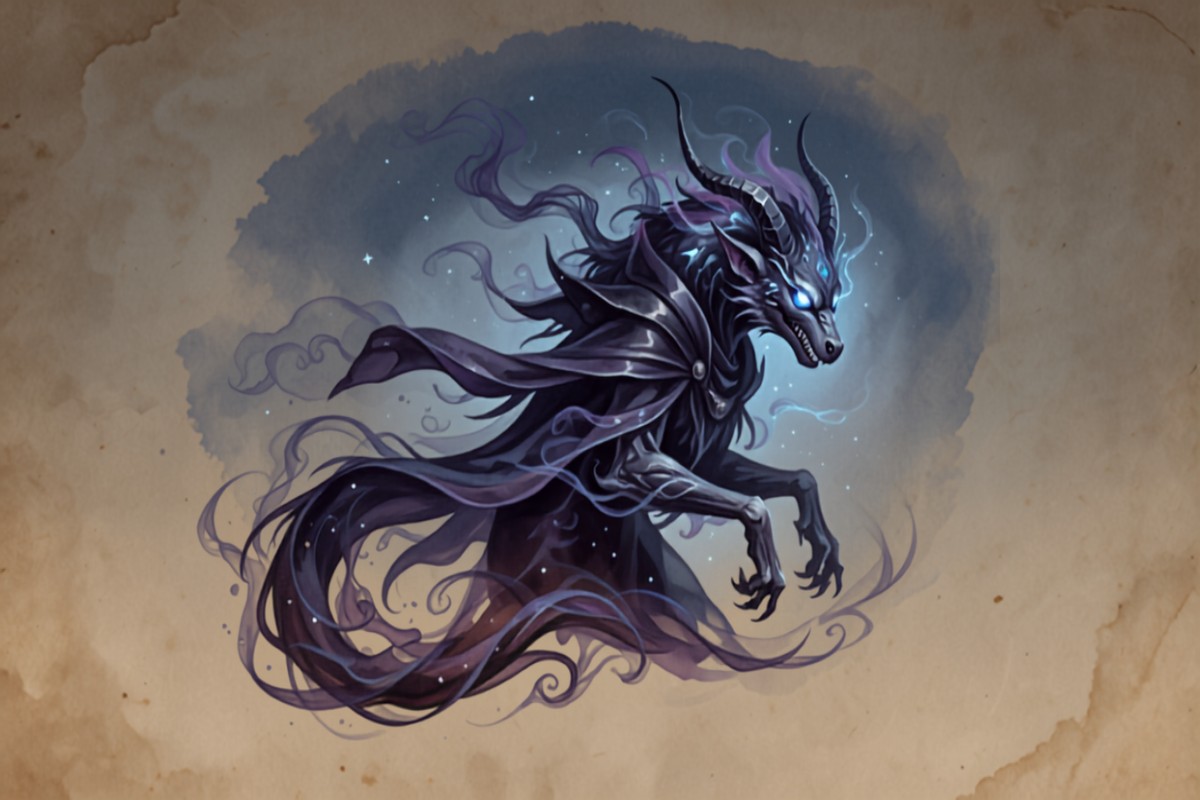
More sophisticated implementations of the archetype include mechanics for creating decoys, distracting enemies, and temporarily altering AI opponents' perception—a direct parallel to myths of shapeshifting tricksters (Loki turning into a salmon or a mare) or creating illusions to deceive other gods and giants.
Rules as Material for Breaking
A key distinguishing feature of trickster gameplay is the deliberate breaking of expected interaction rules: stealing items from opponents instead of destroying them, bypassing puzzles through unconventional paths, using environmental mechanics for purposes other than their "intended" one. This directly reflects the trickster's mythological function as a figure existing at the boundary between established order and chaos.
Design Risk: Balancing Information Advantage
The main challenge in designing a trickster class is that its power is often not measured in damage numbers but consists of information control (seeing what others cannot, knowing what opponents do not). This kind of mechanic is harder to balance with traditional numerical methods, demanding more creative solutions from designers than straightforward classes like the Warrior require.
The Trickster's Economy: Theft and Resource Exchange
Another characteristic trickster-class mechanic is the ability to extract resources not by destroying an opponent but by taking from them: stealing gold, items, or even temporary abilities from enemies. This pattern traces directly to the mythological Hermes, god of thieves and travelers, and to the broader trickster logic of redistributing goods against the established order (Prometheus stealing fire from the gods for humanity is a related, though more heroized, variant of the same archetype).
In team-based games, the trickster class often complements rather than competes with the Warrior: where the Warrior resolves conflict through direct confrontation, the Trickster prevents conflict before it begins (disarming traps, distracting guards, stealing a key item without a fight)—a division of roles reflecting the myth that strength and cunning are complementary, not mutually exclusive, paths to the same goal.
Frequently Asked Questions
Why are trickster characters in games often morally ambiguous?
This reflects the mythological prototype—Loki, Hermes, and other tricksters are rarely unambiguously good or evil, which became the basis for designing morally gray characters.
What makes balancing the Trickster class harder than the Warrior?
The Trickster's power often lies in information advantage rather than damage stats, which is harder to express through traditional numerical balancing methods.
How are myths of trickster shapeshifting reflected in games?
Through illusion mechanics, disguise, and decoy creation—a direct reflection of myths about Loki transforming into various animals to deceive other gods.
Similar articles
Titan Bosses: Designing Final Enemies From Mythology
Why mythological titans and giants became the visual and mechanical template for epic video game bosses
Joseph Campbell's Hero's Journey in Video Games
How a universal monomythic structure became a practical tool for game narrative design
Creature Summoning as a Game Mechanic
From spirit-calling in shamanic practice to summoned pets in RPGs — how a mythological ritual became a game system