Magic as Resource vs. Magic as Divine Gift: Two Philosophies of Game Systems
Published: 8/27/2026
Quick answer: Mythology contains two fundamentally different sources of supernatural power: magic as an impersonal resource that can be mastered through study and discipline (runes, alchemy), and magic as a gift granted by a god and therefore accountable to the giver's will (prophetic trance, priestly blessing). These two views produce radically different game systems.
Magic-as-Resource: The Runic and Alchemical Tradition
In Norse tradition, runes are not a god's gift but knowledge Odin obtained through his own suffering (nine nights on the world tree). Such magic is in principle available to anyone willing to pay the price of learning it. In games, this approach manifests as mana systems requiring research, crafting, and accumulated experience—power here is impersonal and requires no higher approval.
Magic-as-Gift: The Priestly and Prophetic Tradition
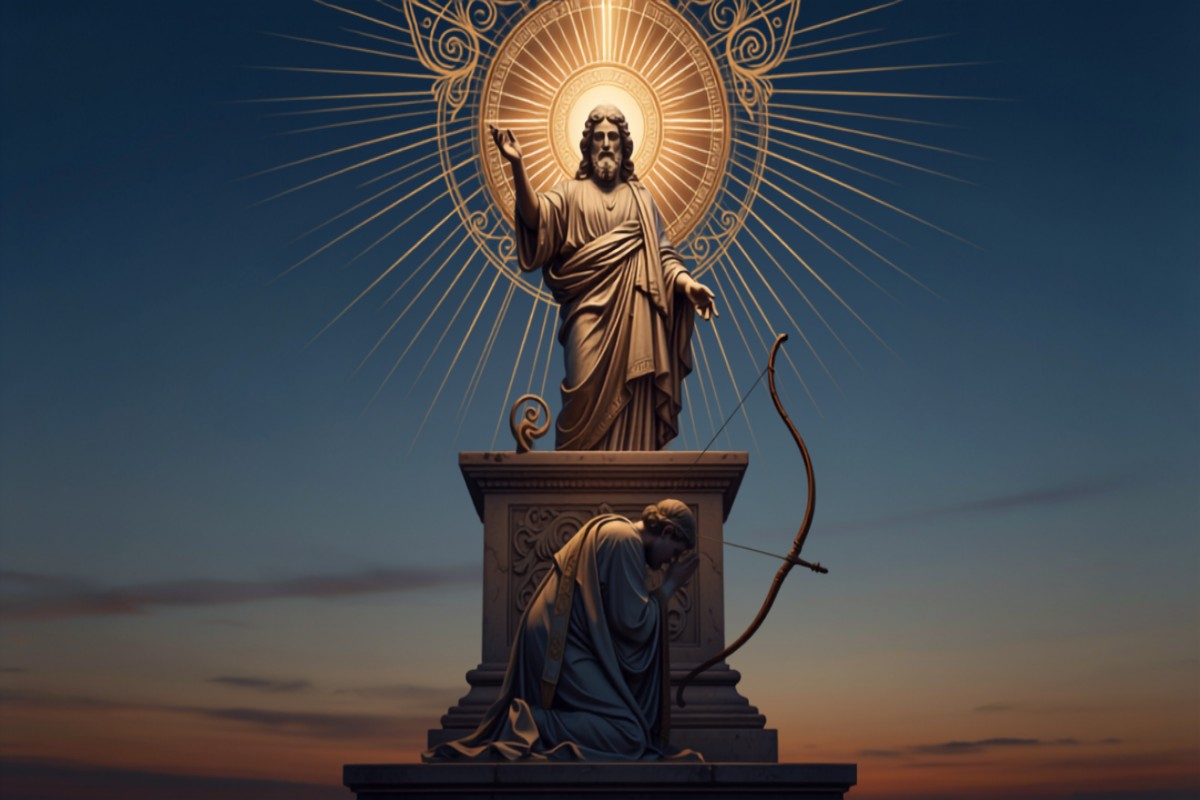
The opposite pole is power granted directly by a deity and remaining under its control: the Pythia at Delphi speaks not in her own voice but in Apollo's; Christian saints perform miracles not by their own authority. In game systems, this corresponds to mechanics of prayer, blessings, and deity reputation—access to power depends not on player skill but on the relationship with an NPC deity.
Hybrid Systems: Price and Bargain
Many mythologies contain an intermediate variant—contractual magic, where power is granted neither freely nor through pure skill but through a bargain (a Faustian pact, a sacrifice). Designers use this pattern for magic systems with irreversible consequences: temporary empowerment at the cost of long-term harm to the character or world.
How the Choice of Philosophy Affects Game Balance
Magic-as-resource is easier to balance with traditional numerical methods (mana cost, cooldown time), since it is impersonal and predictable. Magic-as-gift is harder to balance directly, but creates richer narrative potential: a player can lose a blessing due to a moral choice, something impossible in a purely resource-based system.
Blending Traditions Within One Game World
The most interesting game worlds often pit both philosophies against each other: scholar-mages who obtain power through discipline versus priests dependent on divine favor—a conflict directly reflecting the historical tension between rationalizing magical tradition (alchemy, kabbalah) and religious practice of god-sanctioned miracle.
Intermediate Traditions: Innate Gift and Blood Magic
Beyond the two poles of resource and gift, mythologies describe a third variant: magic as an innate quality of blood or lineage—neither earned through study nor granted by divine decision, but simply given by right of birth (descendants of gods possessing ancestral power purely by kinship). In games, this corresponds to classes with unique innate abilities unavailable to other characters regardless of their effort or faith.
This approach creates a third axis of game balance: if magic-as-resource is fair but impersonal, and magic-as-gift is personal but unstable, magic-as-blood raises the question of innate inequality—a theme many modern games deliberately explore as a source of social tension within the game world, not merely as a source of game mechanics.
Frequently Asked Questions
What is the fundamental difference between magic-as-resource and magic-as-gift?
Magic-as-resource is impersonal and accessible through training; magic-as-gift is controlled by the granting deity's will and can be revoked—producing different power-control game mechanics.
Which magic system is easier to balance in a game?
Magic-as-resource, since it is predictable and amenable to numerical balancing (mana, cooldowns), unlike magic-as-gift, which depends on narrative conditions.
What is contractual magic in game design?
A hybrid system where power is granted through a bargain with irreversible consequences, based on mythological motifs of the Faustian pact and sacrifice.
Similar articles
Titan Bosses: Designing Final Enemies From Mythology
Why mythological titans and giants became the visual and mechanical template for epic video game bosses
Joseph Campbell's Hero's Journey in Video Games
How a universal monomythic structure became a practical tool for game narrative design
Creature Summoning as a Game Mechanic
From spirit-calling in shamanic practice to summoned pets in RPGs — how a mythological ritual became a game system