The Phoenix: Bird of Immortality and Rebirth
Published: 8/26/2026
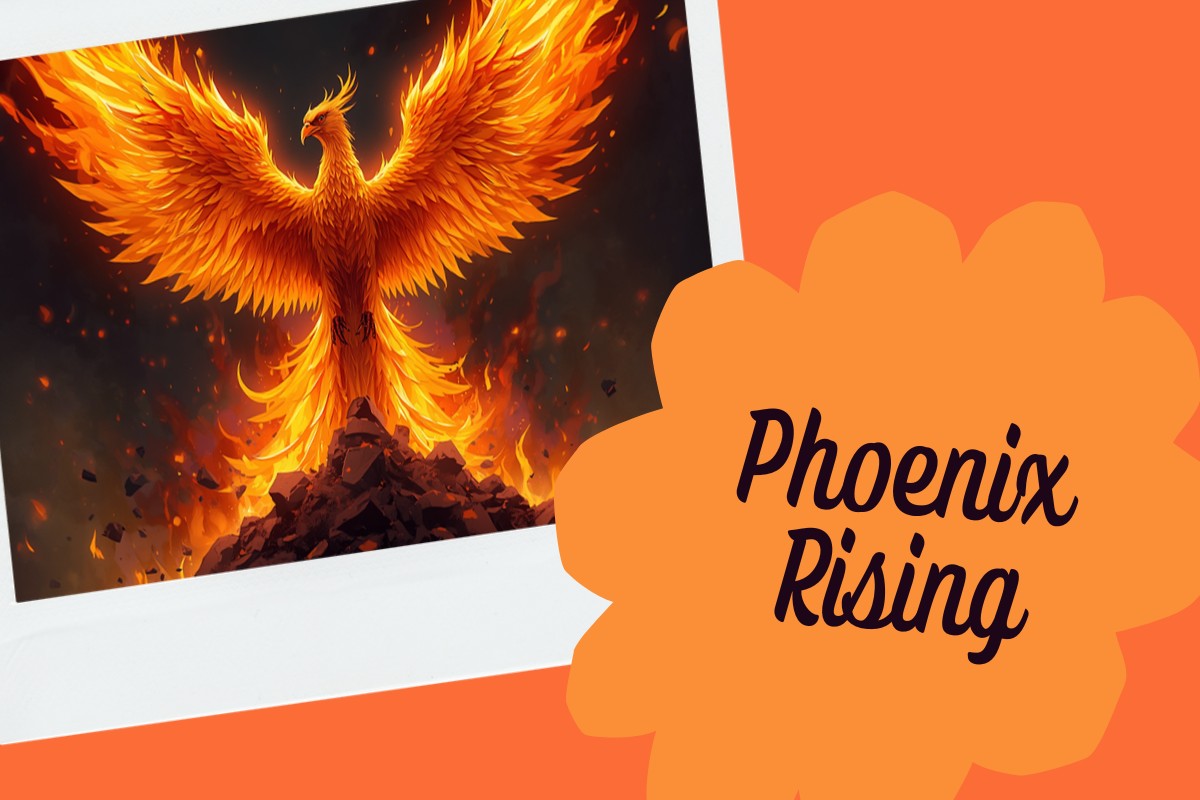
Quick answer: The Phoenix is a legendary bird that lives for centuries and, at the end of its life cycle, immolates itself in a nest of incense to be reborn from the ashes young and renewed. The image traces back to the ancient Egyptian bird Bennu and was further developed in Greek, Roman, Arabic, and Chinese traditions.
Egyptian origins: the Bennu bird
The oldest prototype of the phoenix is the Egyptian Bennu, a sacred heron or falcon associated with the sun god Ra and the god Osiris. Bennu was regarded as the soul of Ra and a symbol of the world's cyclical renewal, being reborn daily alongside the sun. According to Egyptian texts, Bennu emerged from the primordial mound that arose from the waters of chaos, Nun, and its cry marked the beginning of time.
The Greek legend of self-immolation
The Greeks, likely having encountered the image of Bennu through contact with Egypt, created their own version of the myth. Herodotus, who visited Egypt in the fifth century BCE, recorded the story of a bird called the phoenix that lives five hundred years and, sensing death approaching, builds a nest of myrrh, sets it alight, and burns together with it, after which a new phoenix emerges from the ashes and carries its parent's remains to the Egyptian city of Heliopolis, dedicated to the sun.
The Phoenix in Roman and early Christian tradition
Roman authors, including Ovid and Pliny the Elder, expanded the myth, adding the detail that the new phoenix emerges already fully grown and formed from the body or egg of its predecessor. Early Christian theologians, including Clement of Rome, saw in the phoenix's cycle of death and resurrection a powerful allegory for the resurrection of Christ and the general resurrection of the righteous, which made the bird's image a popular symbol in early Christian art and catacomb painting.
Counterparts in other cultures
Similar mythical birds exist in many cultures independently of the Egyptian-Greek tradition. In China there is the Fenghuang, a bird symbolizing the empress and the harmony of yin and yang, though, unlike the classical phoenix, it is not directly associated with self-immolation. In Persian mythology there is the Simurgh, a wise bird of immense size that lives for thousands of years and serves as a mentor to heroes. In Russian folk tradition the image is close to the Firebird, whose feathers glow with golden fire.
Symbolism of rebirth and alchemy
In medieval alchemical tradition, the phoenix became one of the key symbols of the Great Work — the process of spiritual and material transformation, where the bird's immolation and rebirth illustrated the stage of calcinatio, followed by purification and renewal of matter. Alchemists used the image of the phoenix to represent the philosopher's stone and the attainment of immortality through overcoming destruction.
The Phoenix in modern culture
Today the phoenix remains one of the most recognizable mythological symbols: it appears in the Harry Potter book series as Fawkes, lent its name to the Dark Phoenix comics within the X-Men universe, is used as an emblem for cities that survived destruction and rebuilding (the city of Phoenix, Arizona, was named after it), and remains a universal metaphor for resilience in the face of catastrophe — "rising from the ashes like a phoenix" has become a fixed expression in nearly every European language.
Frequently asked questions
How long does the phoenix live according to the myth?
Different versions of the myth cite different lifespans — ranging from five hundred to a thousand years or more; common to all versions is the idea of an exceptionally long life ending in ritual self-immolation and rebirth.
Is the Fenghuang the Chinese phoenix?
The Fenghuang is often translated as the "Chinese phoenix," but it is actually a distinct mythological image with different symbolism — harmony, imperial authority, and the union of yin and yang — not directly linked to self-immolation and rebirth from ashes.
Why did the phoenix become a Christian symbol?
Early Christian theologians saw in the phoenix's cycle of death and rebirth a natural allegory for the resurrection of Christ and the hope of universal resurrection, which made the bird's image popular in early Christian art.
Similar articles
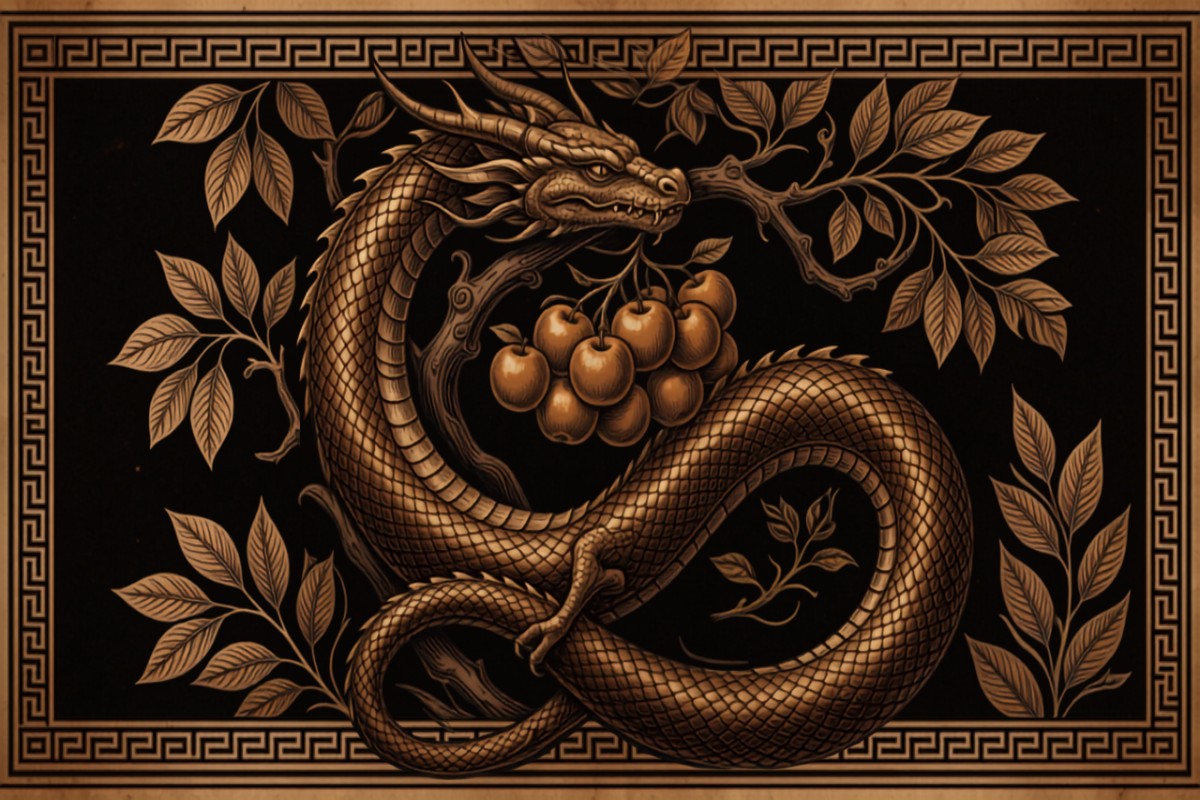
Ladon: The Hundred-Headed Dragon of the Golden Apples
Ladon is a hundred-headed dragon of Greek mythology who guarded the golden apples of the Hesperides, slain by Heracles during his eleventh labor.

Fafnir: The Dwarf Who Became a Dragon
Fafnir is a figure of Germanic-Norse mythology who transformed into a dragon because of cursed gold and was slain by the hero Sigurd.
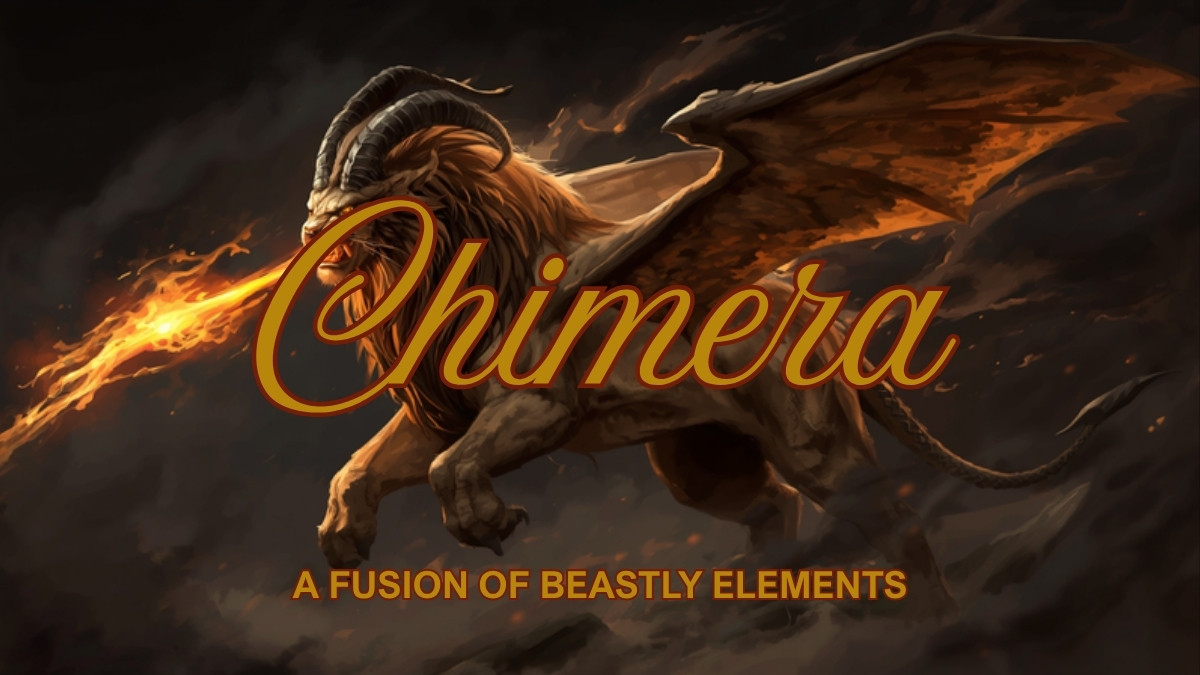
The Chimera: Monster of Lion, Goat, and Serpent
The Chimera is a fire-breathing monster of Greek mythology with a lion's body, a goat's head on its back, and a serpent tail, defeated by the hero Bellerophon.