The Kraken: Scandinavian Sea Monster
Published: 8/26/2026
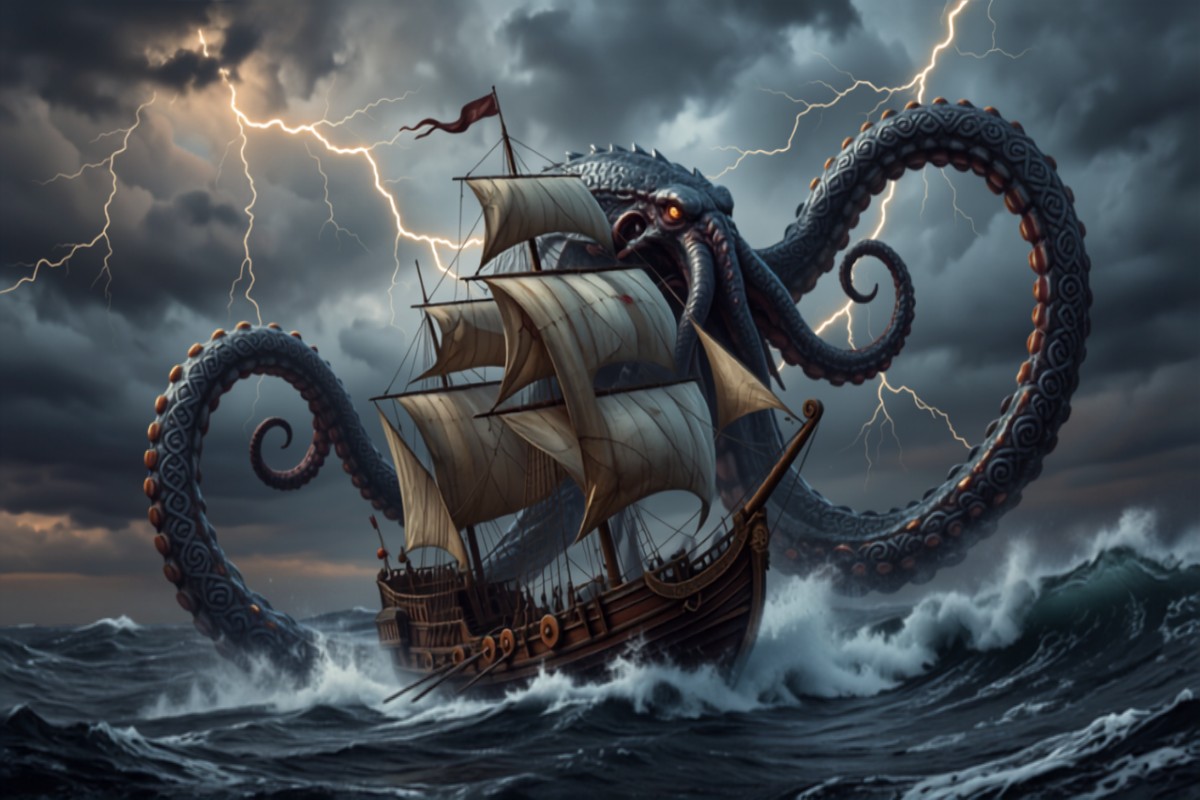
Quick answer: The Kraken is a legendary sea monster of colossal size from Scandinavian folklore, said to be capable of dragging an entire ship to the bottom of the sea with its tentacles. The earliest written mentions appear in medieval Icelandic and Norwegian sources, and the creature was likely inspired by real sightings of giant squid.
The earliest written accounts
The earliest descriptions of the Kraken appear in thirteenth-century Norwegian and Icelandic texts, including the work known as the King's Mirror (Konungs skuggsjá), which describes a creature so enormous it was often mistaken for an island. According to legend, sailors sometimes moored at the back of a sleeping Kraken and lit a fire, realizing their fatal mistake only when the creature awoke from the heat.
Appearance and behavior
In classic eighteenth-century descriptions, particularly those of the naturalist Erik Pontoppidan, the Kraken appeared as a gigantic tentacled creature capable of gripping and sinking a large ship, dragging it down into the whirlpool created as the monster submerged. Pontoppidan, the Bishop of Bergen, collected testimonies from Norwegian fishermen and seriously discussed the Kraken as a biological species, noting that its excretions attracted fish, which made spots where the Kraken had been sighted especially good for fishing.
From island-monster to giant octopus
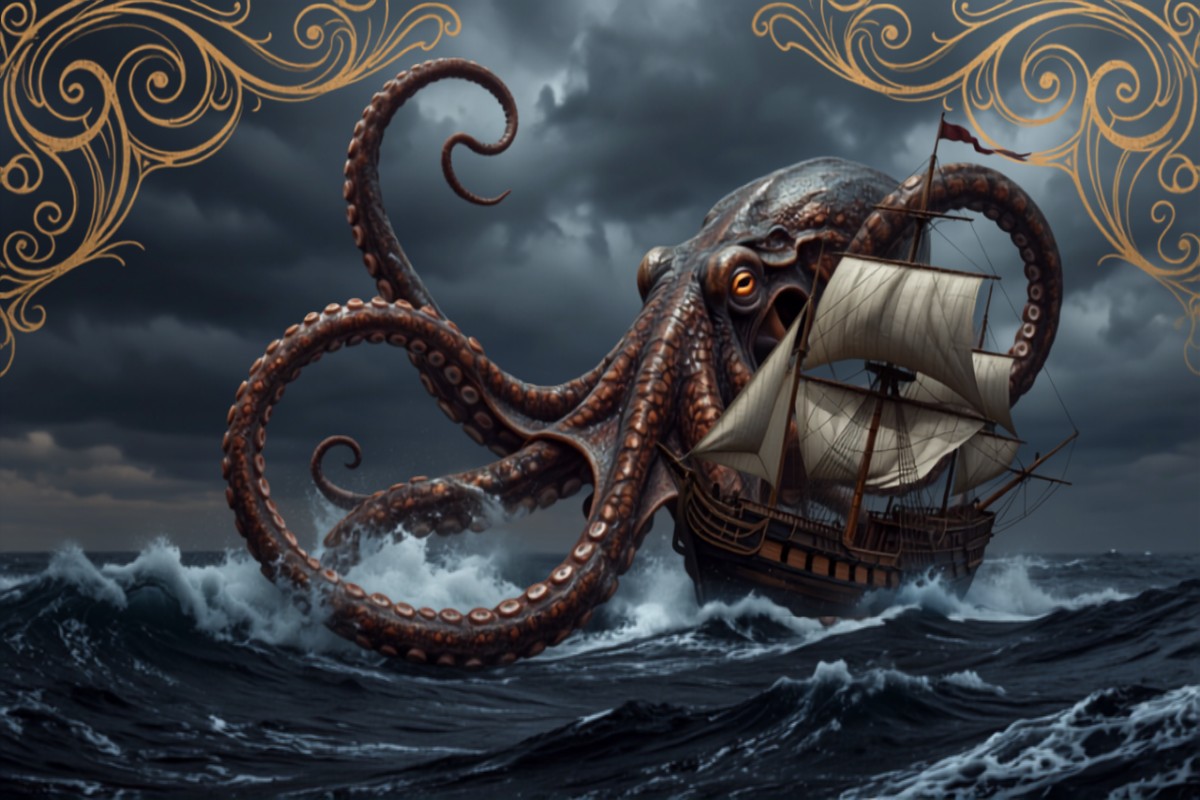
Over time, depictions of the Kraken changed: while in the early sagas the creature more closely resembled a giant crab or a whale mistaken for an island, by the eighteenth and nineteenth centuries the Kraken had become firmly fixed in popular imagination as an enormous octopus or squid whose tentacles sank ships. This image found vivid expression in literature — from Alfred Tennyson's sonnet "The Kraken" to Jules Verne's novel Twenty Thousand Leagues Under the Sea, in which a giant squid attacks the Nautilus.
The scientific kernel of the legend
Modern science suggests the Kraken legend may have arisen from real encounters between Scandinavian sailors and giant squid (Architeuthis) — creatures reaching up to thirteen meters in length that genuinely inhabit the northern waters of the Atlantic and were only first photographed alive in their natural habitat in 2004. Occasionally dead or dying giant squid washed ashore, providing fuel for the terrifying sailors' tales that were passed down for decades and gradually embellished with fantastic details.
The Kraken in heraldry and maritime tradition
Beyond its fearsome image, the Kraken also found a distinctive place in maritime folklore as a symbol of the ocean's unpredictable power. Some coastal communities in Norway incorporated Kraken-like creatures into local symbolism, and sailors invoked the Kraken to explain otherwise inexplicable shipwrecks and vanishings on the open sea, reflecting humanity's broader fear of the unknown depths.
The Kraken in modern culture
Today the Kraken is one of the most recognizable monsters in popular culture: it appears in the Pirates of the Caribbean films, in video games such as God of War and Sea of Thieves, lent its name to the professional hockey club Seattle Kraken, and has become shorthand for any hidden threat that suddenly reveals itself — hence the popular phrase "release the Kraken," which entered internet culture through the film Clash of the Titans.
Frequently asked questions
Did the Kraken actually exist?
The Kraken as a giant ship-sinking monster is a fictional creature, but the legend is likely rooted in real encounters between sailors and giant squid, which do inhabit the northern waters of the Atlantic.
Where does the name "Kraken" come from?
The word "Kraken" comes from Norwegian and other Scandinavian languages and is linked to a root meaning something twisted or misshapen — likely a reference to the unusual, frightening appearance sailors attributed to the creature.
Why was the Kraken depicted as an island?
In early sagas, sailors reportedly mistook the back of an enormous sea creature for a small island and sometimes even landed on it to light a fire, until the monster awoke from the heat and revealed its true nature.
Similar articles
Ladon: The Hundred-Headed Dragon of the Golden Apples
Ladon is a hundred-headed dragon of Greek mythology who guarded the golden apples of the Hesperides, slain by Heracles during his eleventh labor.
Fafnir: The Dwarf Who Became a Dragon
Fafnir is a figure of Germanic-Norse mythology who transformed into a dragon because of cursed gold and was slain by the hero Sigurd.
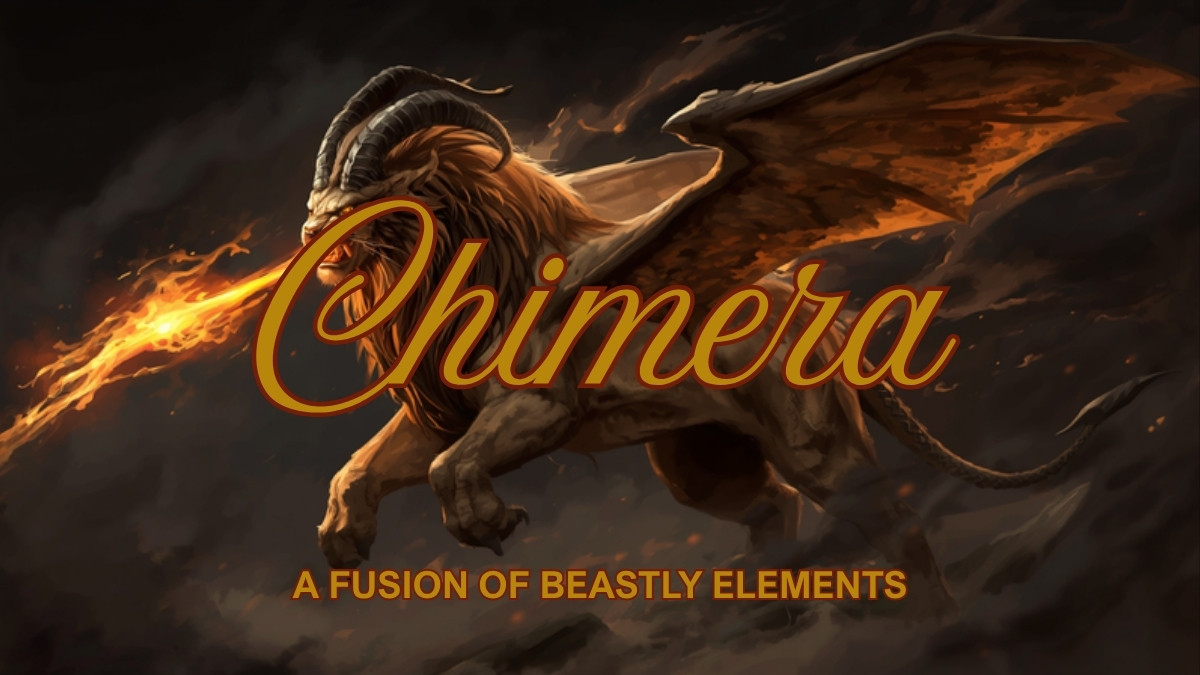
The Chimera: Monster of Lion, Goat, and Serpent
The Chimera is a fire-breathing monster of Greek mythology with a lion's body, a goat's head on its back, and a serpent tail, defeated by the hero Bellerophon.