Jason and the Argonauts: The Quest for the Golden Fleece
Published: 8/26/2026
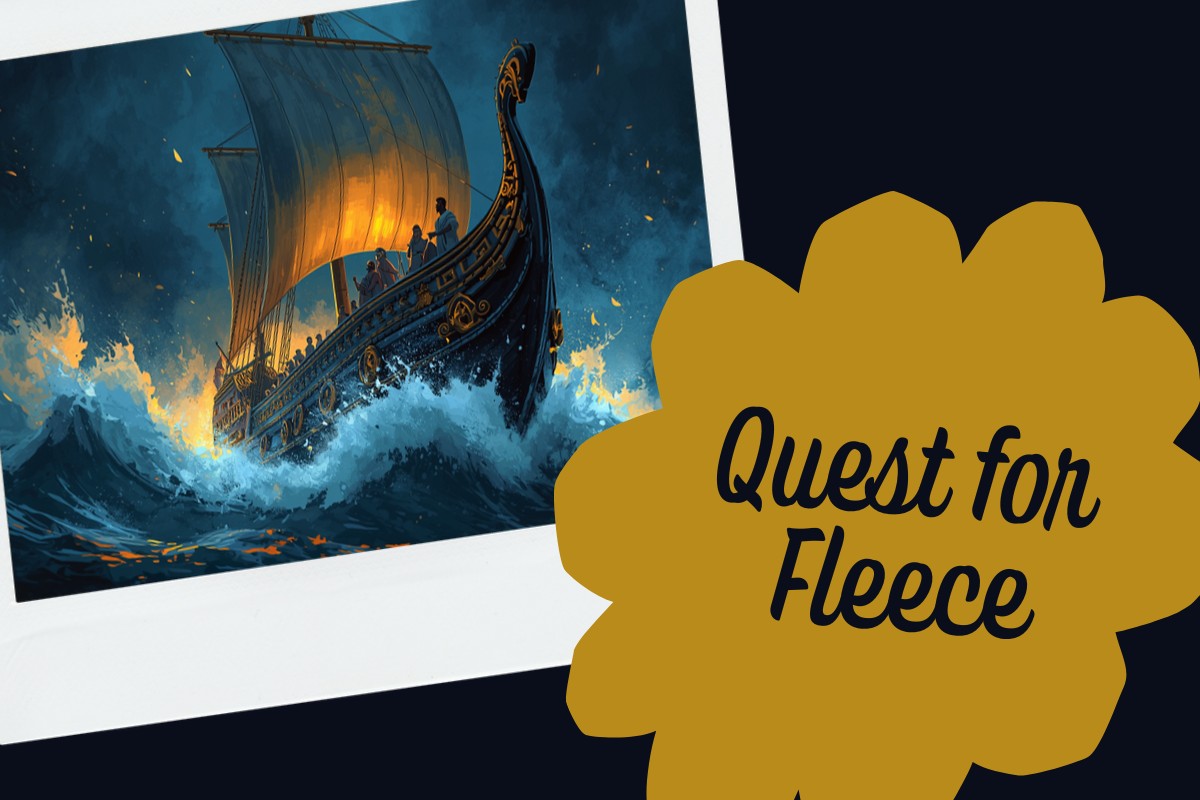
Quick answer: Jason was a hero of Greek mythology who led the Argonaut expedition aboard the ship Argo to Colchis in search of the Golden Fleece. He was aided by the sorceress Medea, who fell in love with him and secured the quest's success at the cost of betraying her own family.
A stolen throne and Pelias's condition
Jason was the rightful heir to the throne of Iolcus, but his uncle Pelias usurped power while Jason was still a child. The boy was secretly sent to be raised by the wise centaur Chiron, tutor to many Greek heroes. Once grown, Jason returned to claim the throne. Pelias, frightened by a prophecy about a man wearing one sandal (Jason had lost a sandal crossing a river while helping a disguised Hera), set a condition: he would surrender the throne if Jason brought back the Golden Fleece from distant Colchis.
Assembling the crew and building the Argo
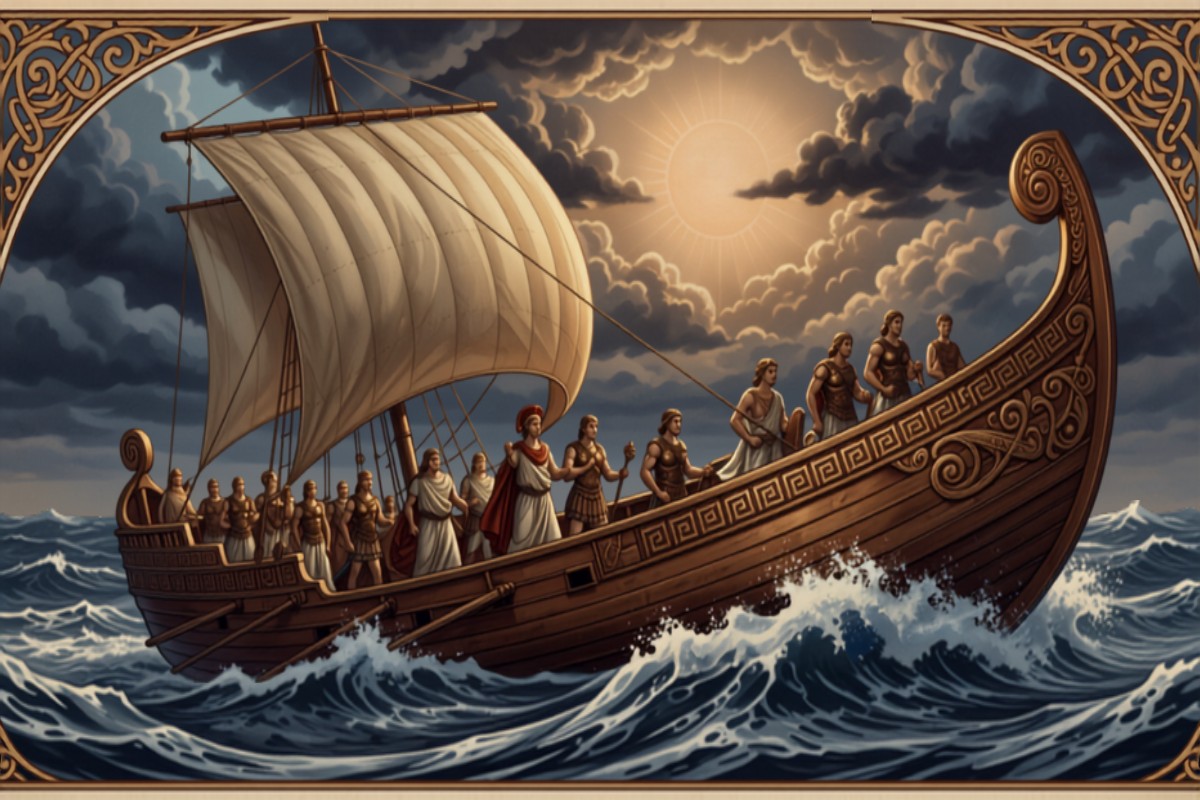
The task was deliberately impossible, but Jason accepted the challenge. At Athena's command, the craftsman Argus built the ship Argo, its prow fitted with a speaking, prophetic beam cut from the oak of Dodona. Jason summoned the greatest heroes of Greece: the mighty Heracles, the musician Orpheus, the twins Castor and Polydeuces, the swift-footed Calais and Zetes, the huntress Atalanta, and dozens of others — this crew became known to history as the Argonauts.
Trials on the way to Colchis
The voyage was full of dangers. The Argonauts passed the island of women on Lemnos, saved the blind seer Phineus from the Harpies that stole his food, and steered their ship through the Symplegades — the clashing rocks guarding the entrance to the Black Sea. On Phineus's advice, they released a dove ahead of the ship: the rocks closed on the bird's tail feathers, and as they began to part again, the Argo shot through under oar, unharmed except for a piece of its stern ornament.
Medea's help and the theft of the Fleece
In Colchis, King Aeetes agreed to surrender the Fleece only if Jason completed impossible tasks: plowing a field with fire-breathing bulls and sowing dragon's teeth, from which armed warriors sprang up. The king's daughter, the sorceress Medea, fell in love with Jason through the arrows of Eros and secretly gave him a fire-resistant ointment along with advice on handling the warriors sprung from dragon's teeth — throw a stone among them so they would turn on each other. Medea then lulled the guardian dragon to sleep, and Jason seized the treasure.
Flight and betrayal of family
Fleeing her father's pursuit, Medea committed a terrible act — in one version of the myth, she killed her younger brother Apsyrtus and scattered pieces of his body into the sea, knowing that grief-stricken King Aeetes would stop to gather the remains for burial. This sacrifice allowed the Argonauts to escape their pursuers and return safely to Greece, but it laid the foundation for Medea's tragic, bloody reputation, which would fully manifest later in her fate.
The return and Jason's sorrowful end
Returning to Iolcus, Jason discovered that Pelias had no intention of honoring his promise. Medea cunningly convinced Pelias's daughters that she could rejuvenate their father if they cut him into pieces and boiled him in a cauldron — demonstrating a false example on a ram that "rejuvenated" through her magic. The daughters believed her and killed their father, but Medea did not fulfill her promise to revive him. Jason and Medea were then exiled and settled in Corinth, where the hero's marriage ended in tragedy: Jason decided to marry a local princess, and the enraged Medea killed her own children by Jason along with the bride, in an act of terrible vengeance.
The legacy of the Argonaut myth
The voyage of the Argonauts is considered one of the oldest Greek myths, possibly reflecting real Bronze Age maritime expeditions in search of gold, which was indeed extracted in Colchis by washing river sand through sheepskins — a practice that may have given rise to the image of a "golden fleece." The story became a model for the "team quest" style of heroism, distinct from the solitary labors of Heracles or Perseus, in many ways anticipating the genre of adventure literature and team-based fantasy quests.
Frequently asked questions
Why was the fleece called golden?
According to legend, the hide belonged to a magical flying ram sent to save the king's children from death; the ram's wool was literally golden and possessed magical properties, making the fleece an immensely valuable relic.
Who were the Argonauts?
The Argonauts were the crew of heroes assembled by Jason for the voyage aboard the ship Argo — among them were Heracles, Orpheus, the Dioscuri, and dozens of other legendary figures from Greek mythology.
Why did Medea help Jason?
According to the myth, Medea fell in love with Jason through the intervention of the goddess Aphrodite and the love god Eros, whose arrows filled her with passion for the foreign hero and led her to betray her own family.
Similar articles
Ladon: The Hundred-Headed Dragon of the Golden Apples
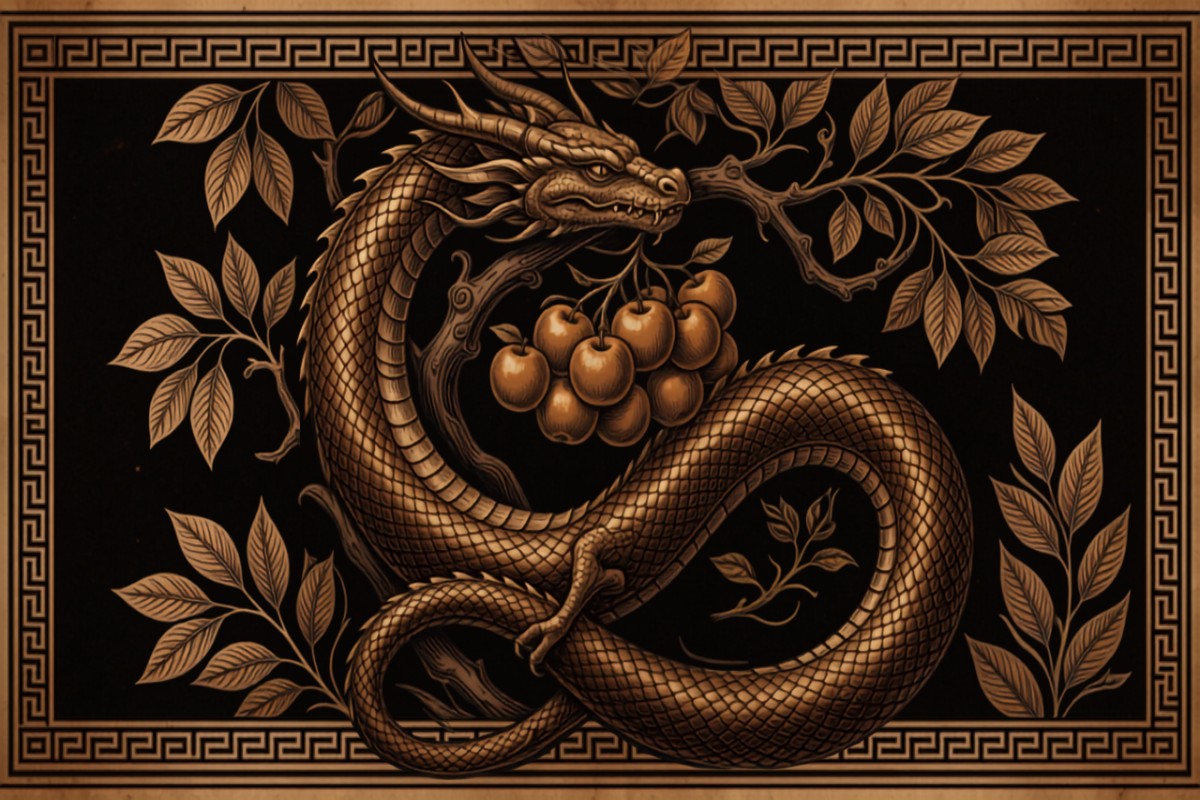
Ladon is a hundred-headed dragon of Greek mythology who guarded the golden apples of the Hesperides, slain by Heracles during his eleventh labor.

Fafnir: The Dwarf Who Became a Dragon
Fafnir is a figure of Germanic-Norse mythology who transformed into a dragon because of cursed gold and was slain by the hero Sigurd.

The Chimera: Monster of Lion, Goat, and Serpent
The Chimera is a fire-breathing monster of Greek mythology with a lion's body, a goat's head on its back, and a serpent tail, defeated by the hero Bellerophon.