Beowulf: Hero of the Anglo-Saxon Epic
Published: 8/26/2026
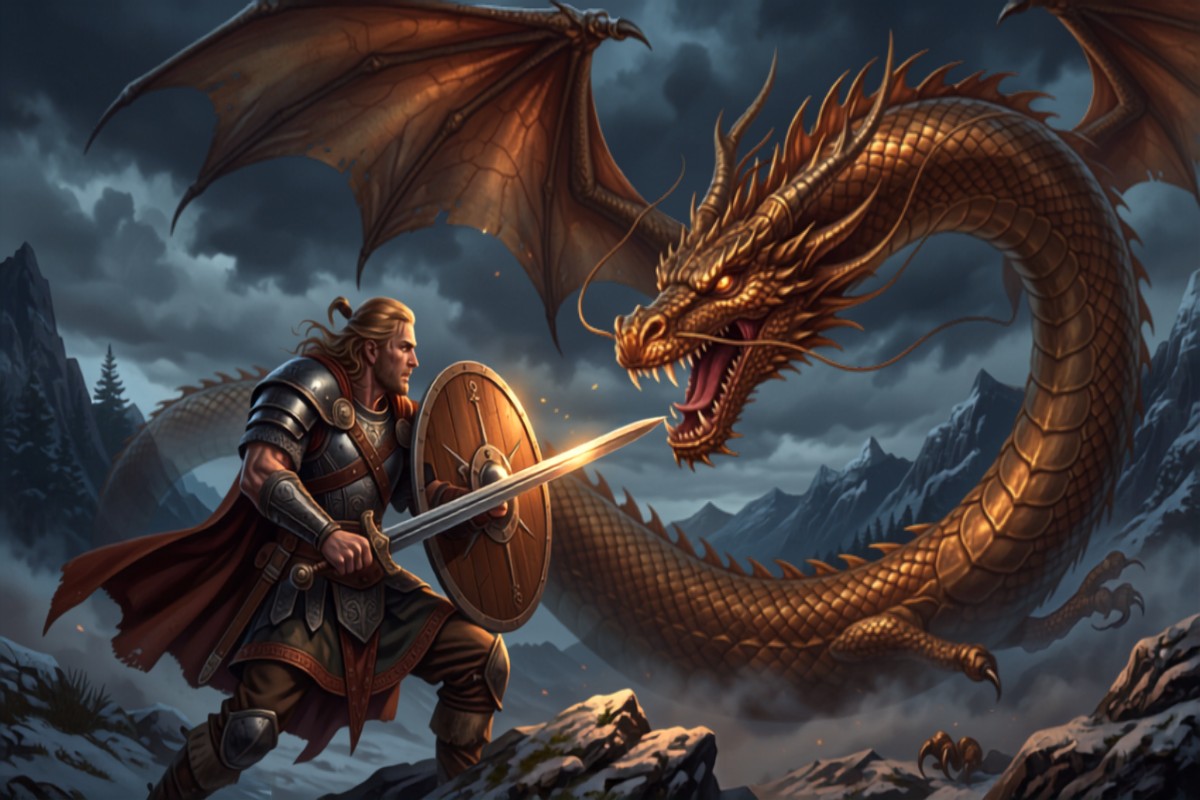
Quick answer: Beowulf is the hero of the Old English epic poem of the same name, a warrior of the Geats renowned for defeating the monster Grendel, Grendel's mother, and, half a century later, a treasure-guarding dragon — a battle that proved fatal for the aging hero.
The curse on the Danish court
The poem opens with the story of King Hrothgar of the Danes, who built the magnificent mead-hall Heorot. The court's joy, however, was overshadowed by the monster Grendel, a descendant of the biblical Cain who despised the sounds of celebration. Every night Grendel raided the hall and slaughtered Hrothgar's warriors, and for twelve years no one could stop these bloody attacks. News of the Danes' plight reached the land of the Geats, where the young warrior Beowulf, nephew of King Hygelac, resolved to sail to their aid.
The fight with Grendel
Beowulf arrived in Denmark with a band of warriors and, refusing to bear weapons, vowed to fight Grendel bare-handed so the contest would be fair — for the monster, it turned out, was enchanted against steel. That night Grendel burst into the hall, killed one warrior, but upon seizing Beowulf encountered superhuman strength. In the ensuing struggle, Beowulf tore the monster's arm off at the shoulder; mortally wounded, Grendel fled to his lair in the marshes, where he died.
The vengeance of Grendel's mother
The victory proved incomplete: the following night, Grendel's mother came to Heorot to avenge her son and killed one of Hrothgar's closest advisers. Beowulf tracked the creature to her lair at the bottom of a grim lake. Underwater, he fought Grendel's mother with a sword that failed him — ordinary steel proved powerless against her. The hero then found an ancient magical sword of giants in her lair and used it to behead the monster, after which the blade melted from the monstrous blood, leaving only the hilt.
Half a century of peaceful rule
Returning home laden with gifts and glory, Beowulf eventually became king of the Geats following the deaths of Hygelac and his son. He ruled his people wisely and justly for fifty years, granting the Geats a long era of peace and prosperity — a rare reward within epic tradition, which more often glorifies youthful deeds than mature statesmanship.
The final battle with the dragon
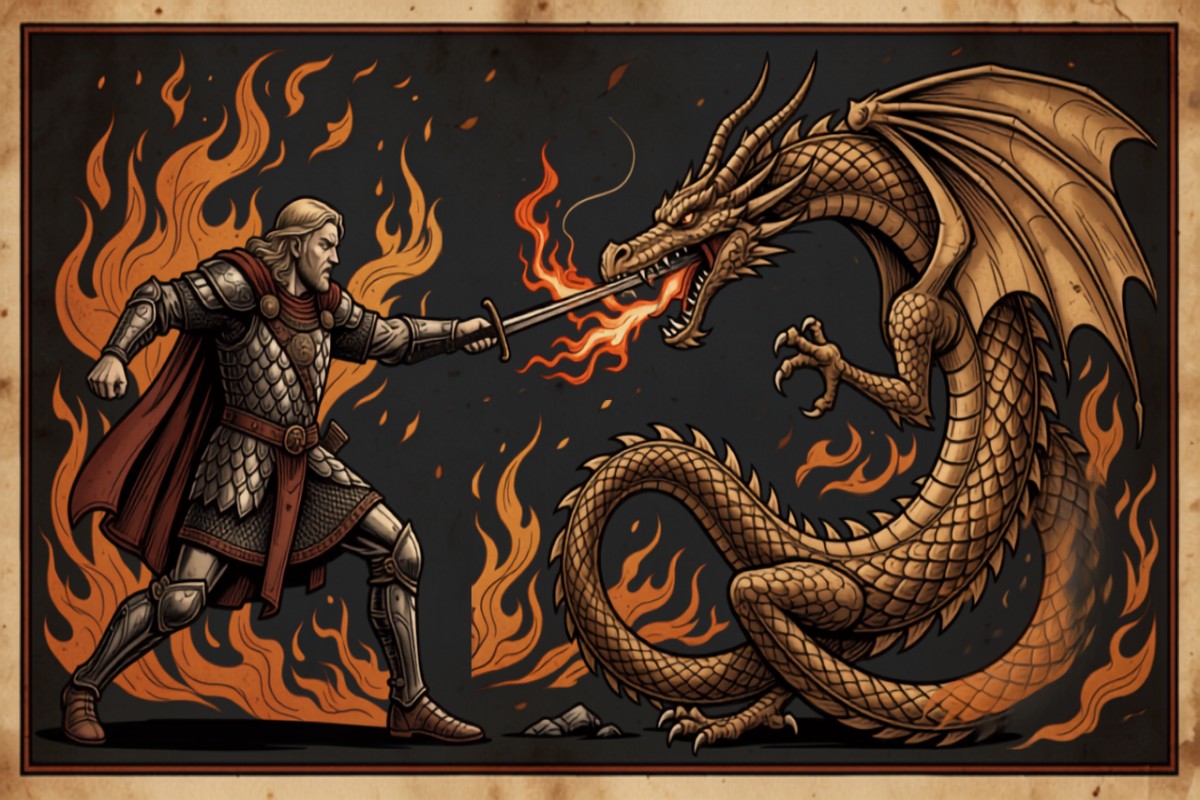
Peace was shattered when a slave, stealing a golden cup from a hoard, awakened a dragon guarding the treasure of an ancient, vanished people. The enraged beast began burning the Geatish lands to ash. Now elderly, Beowulf, sensing his end approaching, resolved to face the monster one last time personally, taking only a handful of warriors with him. At the decisive moment, nearly all his companions fled in terror — only his young kinsman Wiglaf remained, his loyalty standing in stark contrast to the others' cowardice.
The hero's death and funeral pyre
Beowulf and the dragon dealt each other mortal wounds: the hero's sword shattered against the creature's scales, and the dragon's venomous bite struck Beowulf himself. Wiglaf came to his aid, and together they finished off the dragon, but the wound proved fatal for the king. Dying, Beowulf passed the kingdom to Wiglaf and asked to be buried with honor on a high headland, so that his burial mound would be visible to sailors from afar — a symbol of eternal remembrance for a king who gave his life for his people.
The poem's significance for world culture
Beowulf is the oldest surviving monument of Anglo-Saxon literature, preserved in a single manuscript from the tenth or eleventh century. The poem had an enormous influence on the development of the fantasy genre: J.R.R. Tolkien, a professional Anglo-Saxon philologist, studied Beowulf deeply and drew on its imagery and motifs when creating the world of Middle-earth, including the image of a treasure-guarding dragon later embodied in Smaug.
Frequently asked questions
Who was Grendel?
Grendel is a monster, a descendant of the biblical Cain according to the poem's text, who hated humans and the sounds of their revelry; he lived in the marshes and attacked the mead-hall of the Danish king Hrothgar by night.
Why couldn't ordinary steel harm Grendel's mother?
According to the poem, Grendel's mother, like her son, was protected by magic against ordinary weapons; only the ancient sword of giants that Beowulf found in her lair could pierce this protection.
How did Beowulf die?
After half a century of peaceful rule, Beowulf fought a dragon awakened by a thief who stole from its hoard. The hero killed the creature with the help of the young warrior Wiglaf, but he suffered a fatal venomous bite and died shortly after from his wounds.
Did Beowulf influence modern fantasy?
Yes, the poem had a direct influence on J.R.R. Tolkien, who studied it as a philologist; the imagery of a treasure-guarding dragon and heroic self-sacrifice from Beowulf is reflected in both The Lord of the Rings and The Hobbit.
Similar articles
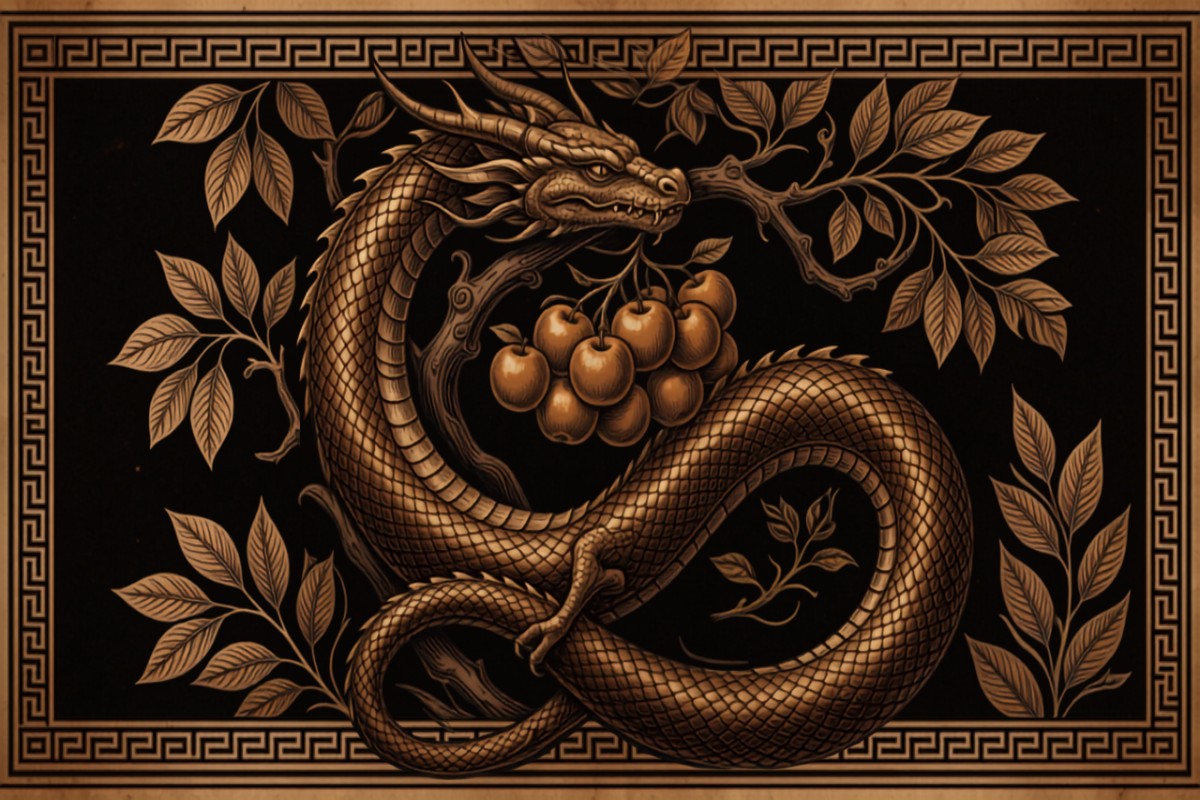
Ladon: The Hundred-Headed Dragon of the Golden Apples
Ladon is a hundred-headed dragon of Greek mythology who guarded the golden apples of the Hesperides, slain by Heracles during his eleventh labor.
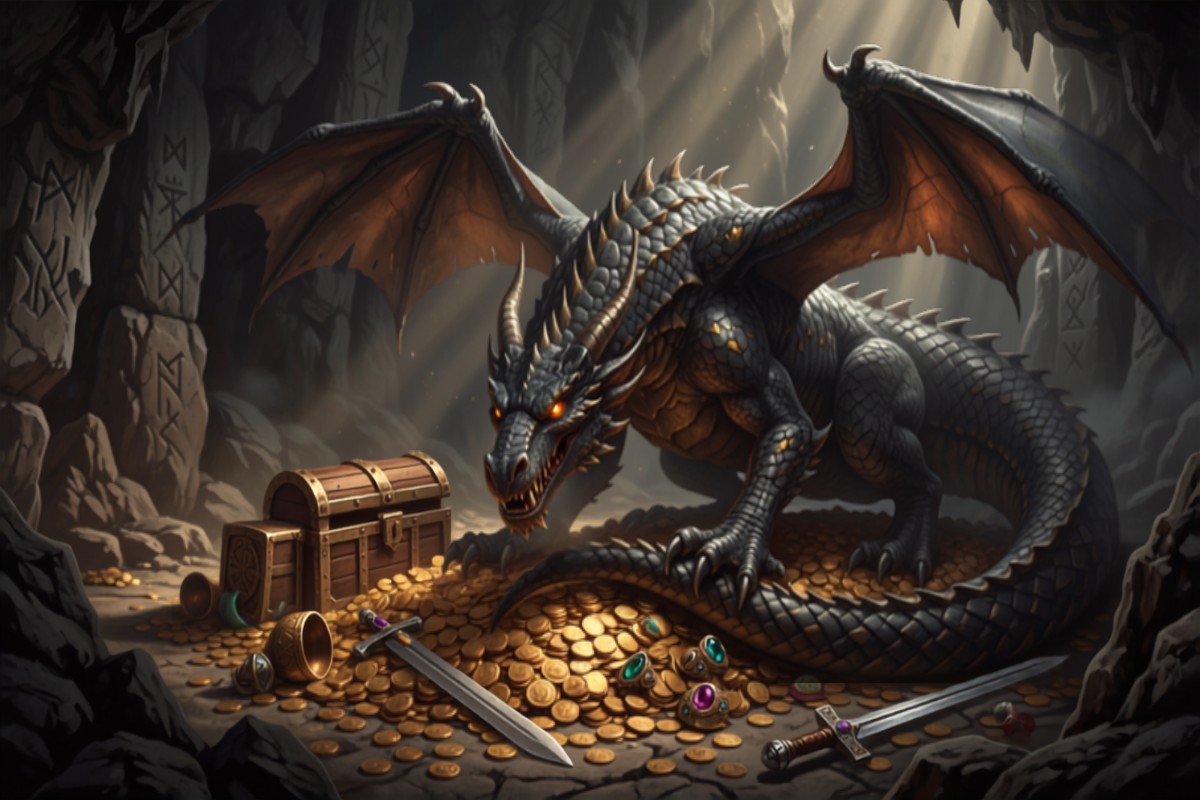
Fafnir: The Dwarf Who Became a Dragon
Fafnir is a figure of Germanic-Norse mythology who transformed into a dragon because of cursed gold and was slain by the hero Sigurd.
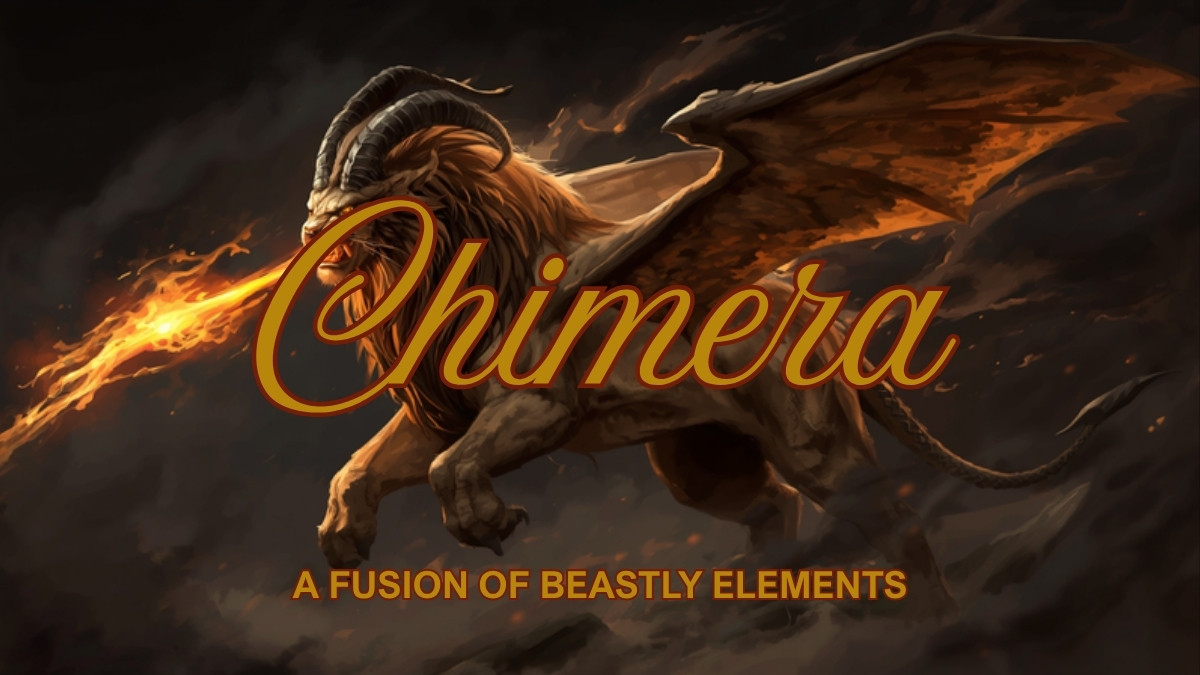
The Chimera: Monster of Lion, Goat, and Serpent
The Chimera is a fire-breathing monster of Greek mythology with a lion's body, a goat's head on its back, and a serpent tail, defeated by the hero Bellerophon.